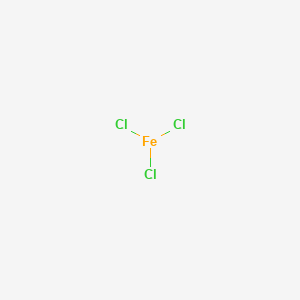
Ferric Chloride
Ferric Chloride (iron(III) chloride, CAS 7705-08-0), anhydrous powder or 40% solution, supplied wholesale by Zyntex. Coagulant for water treatment and phosphorus removal, and etchant for PCBs and metals. CoA and SDS.
Description
Ferric Chloride Product Overview
Ferric chloride (FeCl3) is available as a dark brown-black, hygroscopic anhydrous powder and, more commonly, as a dark brown aqueous solution of about 40%. The solution is strongly acidic and corrosive to most metals.
Water treatment plants use it as a coagulant for drinking water and wastewater, because it works over a wide pH range and forms heavy flocs that settle quickly. Similarly, sewage plants dose it to remove phosphorus and to control hydrogen sulfide odors in digesters. Compared with aluminium coagulants such as Aluminium Chlorohydrate (ACH) and Poly Aluminium Chloride, it also works well for sludge conditioning.
In addition, electronics and metal workers use ferric chloride solution to etch copper on printed circuit boards and to etch stainless steel and other metals. It also serves as a catalyst and as a raw material for iron pigments.
Key Applications of Ferric Chloride
Typical uses include, for example:
💧 Water Treatment
Coagulant for drinking water as well as wastewater.
🧪 Phosphorus Removal
Precipitant in sewage plants.
🔌 PCB Etching
Etchant for copper circuit boards.
⚙️ Metal Etching
Etchant for stainless steel as well as decorative metals.
Ferric Chloride Technical Specifications
| Parameter | Standard Value |
|---|---|
| Product Name | Ferric Chloride (Iron(III) Chloride) |
| CAS Number | 7705-08-0 |
| Chemical Formula | FeCl3 |
| Available Forms | Anhydrous Powder / 40% Liquid Solution |
| Category | Industrial Chemicals & Coagulants |
| Documents | CoA as well as SDS with every lot |
⚠️ Safety & Handling: Harmful if swallowed, causes skin irritation and serious eye damage, and is corrosive to metals. Avoid contact and also wear chemical-resistant gloves and face protection. Store in tightly closed, acid-resistant plastic or lined containers, because the solution attacks most metals. Always consult the Safety Data Sheet (SDS), because it contains the full classification and handling instructions.
Frequently Asked Questions
Which form of ferric chloride should I choose?
Most water treatment and etching users prefer the 40% solution, whereas the anhydrous powder suits users who need a dry product.
Can ferric chloride remove phosphorus?
Yes. Because iron reacts with phosphate to form insoluble iron phosphate, sewage plants use it for chemical phosphorus removal.
How can I get a price and documents?
Prices depend on quantity, packaging and destination, so please contact us with your required volume. We then send a quotation together with the CoA and SDS.