Dimethyl Dichlorosilane
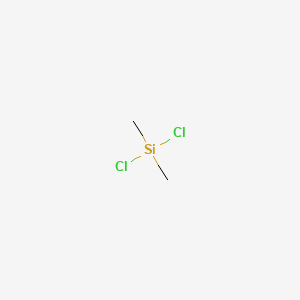
Dimethyl Dichlorosilane is a premium-grade, highly volatile organosilicon liquid compound carrying CAS number 75-78-5. This ultra-pure, moisture-sensitive chlorosilane agent is widely utilized across the global industrial manufacturing sector to synthesize high-performance silicone fluids, structural silicone rubbers, and advanced water-repellent surface treatments.
Description
Comprehensive Product Overview of Dimethyl Dichlorosilane
Exceptional structural durability and rapid reaction kinetics provide a major competitive advantage in the formulation of specialized technical solutions. This active material intermediate works by providing the essential structural mechanisms—specifically reacting rapidly during controlled hydrolysis runs to build dimethylsiloxane backbones—needed for effective process stabilization. It helps manufacturers achieve potent protective profiles in advanced polymer and water-repellent setups without sacrificing substance or formula integrity. For instance, Dimethyl Dichlorosilane is frequently used as a primary ingredient in high-performance silicone rubber compounding. Consequently, it improves the technical efficacy of modern electrical insulation coatings and high-temperature sealing routines. As a result, Zyntex ensures optimal purity and strict moisture exclusion for our supply, ensuring maximum safety during your manufacturing cycle.
Moreover, Zyntex supplies specialized solution-ready grades for the fine chemical synthesis and laboratory glass treat engineering industries. This compound acts as a critical structural asset, helping to enhance the hydrophobic defense mechanisms of target matrices undergoing intense surface gas-phase silanization. It pushes the boundaries of modern material science by offering a highly pure active source that modifies substrate surface energies efficiently. At the same time, it serves as a crucial raw material matrix in the synthesis of specialized organosilicon derivatives and fine chemical intermediates. In short, our product serves as a dependable “structural matrix.” It supports both the vitality of industrial manufacturing and the precision of modern material engineering.
Key Industrial Applications for Dimethyl Dichlorosilane
This high-purity volatile hazardous chlorosilane liquid is essential in these four primary sectors:
⚙️ Silicone Polymers
Primary building block used for manufacturing polydimethylsiloxane fluids, gums, and flexible resins. Thus, it provides essential support for localized chain extension.
🧪 Hydrophobic Coatings
Key surface silanizing agent utilized for creating water-repellent glass and ceramic moisture shields. Undoubtedly, it is vital for enhancing uniform anti-wetting benchmarks.
🏢 Sealants & Rubbers
Used as a professional precursor matrix for industrial cross-linked RTV rubbers and gaskets. Consequently, it is vital for high-performance thermal sealing controls.
🏭 Vaporized Silica
Acts as a specialized processing raw material block for high-purity fumed silica manufacturing lines. Specifically, it supports rapid compounding and uniform matrix clarity.
Technical Specifications
| Parameter | Standard Value |
|---|---|
| Product Name | Dimethyl Dichlorosilane |
| Assay / Purity | ≥ 99.0% |
| Appearance | Clear, colorless, pungent volatile liquid |
| Boiling Point | 70 °C to 71 °C |
| Flash Point | -9 °C (Closed Cup) |
| CAS Number | 75-78-5 |
📝 Safety & Handling: Formulated strictly for controlled silicone synthesis, industrial surface modification, and professional chemical processing workflows. Dimethyl Dichlorosilane is a highly flammable organic liquid with an exceptionally low flash point of -9°C, and it is highly corrosive, causing severe skin burns and permanent eye damage. It reacts violently with ambient moisture and water, instantly generating corrosive hydrogen chloride (HCl) gas. Therefore, store strictly under dry nitrogen gas in a cool, dry, explosion-proof location away from water sources, open flames, sparks, and strong oxidizing materials in its original safety-sealed pressure container. Operating inside a certified chemical fume hood, utilizing explosion-safe exhaust systems, and wearing full specialized protective equipment (PPE)—including chemical-resistant heavy-duty gloves, full face shields, and vapor-proof respirators—is strictly mandatory. Always consult the Safety Data Sheet (SDS) for detailed protocols.