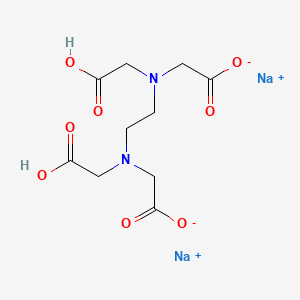
Disodium Edta
Disodium EDTA (EDTA-2Na, CAS 139-33-3), 99.0–101.0%, pharmaceutical and food grade, supplied wholesale by Zyntex. Water-soluble chelating agent for cosmetics, pharmaceuticals, food and laboratory buffers. CoA and SDS with every lot.
Description
Disodium EDTA Product Overview
Disodium EDTA is the disodium salt of EDTA. Commercial material is usually the dihydrate (CAS 6381-92-6), a white crystalline powder. Unlike EDTA acid, it dissolves directly in water and gives a slightly acidic solution, so formulators can add it without neutralizing it first.
It binds metal ions such as calcium, magnesium, iron and copper. In shampoos, creams and other cosmetics, it improves foaming in hard water and protects the formula against discoloration and rancidity. Pharmaceutical companies use it as a stabilizer in eye drops, injectables and topical products, and food producers use it under E number E386 to protect color and flavor.
In laboratories, it is a standard component of buffers such as TE buffer for DNA work and serves as a titrant in complexometric analysis. Formulators often use it alongside surfactants such as Sodium Lauryl Ether Sulfate or with Sodium Citrate in cleaning products.
Key Applications of Disodium EDTA
Main application areas:
🧴 Cosmetics
Chelating agent in shampoos, shower gels and creams.
💊 Pharmaceuticals
Stabilizer in eye drops, injectables and topical products.
🥗 Food
Color and flavor protection (E386).
🔬 Laboratory
Buffer component and titrant for metal analysis.
Disodium EDTA Technical Specifications
| Parameter | Standard Value |
|---|---|
| Product Name | Disodium EDTA (EDTA-2Na Pharma / Food Grade) |
| CAS Number | 139-33-3 (dihydrate: 6381-92-6) |
| EC Number | 205-358-3 |
| E Number | E386 |
| Assay / Purity | 99.0% – 101.0% (Chelometric Titration) |
| Appearance | White crystalline powder |
| Documents | CoA and SDS with every lot |
⚠️ Safety & Handling: Harmful if inhaled and may damage the respiratory tract through prolonged or repeated inhalation. Avoid dust formation and use dust protection, gloves and eye protection. Store in tightly closed containers in a cool, dry place. Always consult the Safety Data Sheet (SDS) for full classification and handling instructions.
Frequently Asked Questions
What is the difference between disodium EDTA and EDTA acid?
Disodium EDTA dissolves directly in water and suits cosmetics, pharmaceuticals and food. EDTA acid needs neutralization before it dissolves and is mainly used in industrial applications.
What concentration is typical in cosmetics?
Cosmetic formulas typically use about 0.05–0.2%. The right amount depends on water hardness and the other ingredients.
How can I get a price and documents?
Prices depend on quantity, packaging and destination. Contact us with your required volume to receive a quotation together with the CoA and SDS.