Sodium Lauryl Ether Sulfate
Sodium Lauryl Ether Sulfate (SLES 70%, CAS 68585-34-2) supplied wholesale by Zyntex. High-foaming anionic surfactant paste for shampoos, shower gels, dishwashing and laundry liquids. CoA and SDS with every lot.
Description
Sodium Lauryl Ether Sulfate Product Overview
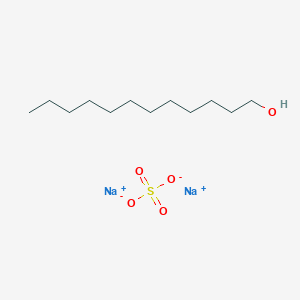
Sodium lauryl ether sulfate is produced by ethoxylating lauryl alcohol and then sulfating it. The common commercial form is a white to light yellow viscous paste with about 70% active matter, typically with two moles of ethylene oxide (SLES 2EO). It foams strongly, cleans effectively and is milder on skin than non-ethoxylated sodium lauryl sulfate.
In personal care, SLES is the main cleansing surfactant in shampoos, shower gels, liquid soaps and bubble baths. It is usually combined with amphoteric surfactants such as Cocamidopropyl Betaine to improve mildness and foam quality, and formulations are thickened by adding salt. In household products, it is used in dishwashing liquids, laundry liquids and surface cleaners.
The 70% paste must be diluted correctly: it passes through a very viscous gel phase at intermediate concentrations, so it should be added to water slowly under stirring rather than the other way around. Zyntex supplies SLES in drums or IBCs from qualified producers.
Key Applications of Sodium Lauryl Ether Sulfate
Main application areas:
🧴 Shampoos and Shower Gels
Main foaming and cleansing surfactant.
🍽️ Dishwashing Liquids
Primary surfactant for grease removal and foam.
🧺 Laundry and Cleaners
Anionic surfactant in liquid detergents and surface cleaners.
🏭 Industrial Uses
Wetting and foaming agent in textile, emulsion and other processes.
Sodium Lauryl Ether Sulfate Technical Specifications
| Parameter | Standard Value |
|---|---|
| Product Name | Sodium Lauryl Ether Sulfate (SLES) |
| CAS Number | 68585-34-2 / 9004-82-4 |
| Active Matter | 70% ± 2% Typical |
| Physical State | White or Light Yellowish Viscous Paste |
| pH (1% Solution) | 7.0 – 9.5 |
| Documents | CoA and SDS with every lot |
⚠️ Safety & Handling: The 70% paste causes serious eye damage and skin irritation. Wear tight-fitting goggles and chemical-resistant gloves when handling the concentrate. Store in closed original containers between 5°C and 40°C, protected from frost and direct sunlight. Always consult the Safety Data Sheet (SDS) for full classification and handling instructions.
Frequently Asked Questions
What is the difference between SLES and SLS?
SLES is ethoxylated, which makes it milder on skin and more tolerant of hard water than sodium lauryl sulfate (SLS), while still giving rich foam.
How do I dilute SLES 70%?
Add the paste slowly to water under continuous stirring. Adding water to the paste can create a very thick gel that is difficult to mix.
How can I get a price and documents?
Prices depend on quantity, packaging and destination. Contact us with your required volume to receive a quotation together with the CoA and SDS.