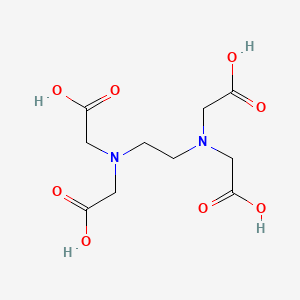
EDTA
EDTA acid (ethylenediaminetetraacetic acid, CAS 60-00-4) with min. 99.0% purity, supplied wholesale by Zyntex. Chelating agent for detergents, water treatment, textiles, paper and laboratory analysis. CoA and SDS with every lot.
Description
EDTA Product Overview
EDTA acid (C10H16N2O8) is a white crystalline powder. In its free acid form it is only slightly soluble in water, but it dissolves readily in alkaline solutions, where it forms its sodium salts. For ready-to-use water-soluble forms, Disodium Edta is the common alternative.
It binds metal ions such as calcium, magnesium, iron and copper into stable, water-soluble complexes. This prevents scale formation, stops metal ions from interfering with detergents and dyes, and protects formulations from metal-catalyzed degradation. It is used in detergents and cleaners, water treatment, textile processing, pulp and paper, and photographic and metal finishing processes.
In laboratories, it is the standard titrant for complexometric determination of water hardness and metal content. Where biodegradability is important, formulators sometimes combine or replace it with weaker natural chelators such as Citric Acid Anhydrous or Sodium Citrate.
Key Applications of EDTA
Main application areas:
🧺 Detergents and Cleaners
Controls water hardness and boosts cleaning performance.
💧 Water Treatment
Prevents scale and sequesters metal ions in industrial water systems.
👕 Textiles and Paper
Sequestering agent in dyeing, bleaching and pulp processing.
🔬 Laboratory
Titrant for complexometric analysis of hardness and metals.
EDTA Technical Specifications
| Parameter | Standard Value |
|---|---|
| Product Name | EDTA (Ethylenediaminetetraacetic Acid) |
| CAS Number | 60-00-4 |
| EC Number | 200-449-4 |
| Molecular Formula / Weight | C10H16N2O8 / 292.24 g/mol |
| Assay / Purity | Min 99.0% |
| Appearance | White crystalline powder |
| Documents | CoA and SDS with every lot |
⚠️ Safety & Handling: Harmful if inhaled and may cause damage to the respiratory tract through prolonged or repeated inhalation. Avoid creating dust and use local exhaust ventilation or dust protection, gloves and eye protection. Store in tightly closed containers in a dry place, away from strong oxidizers and metals. Always consult the Safety Data Sheet (SDS) for full classification and handling instructions.
Frequently Asked Questions
What is the difference between the acid and the disodium salt?
The free acid dissolves well only in alkaline solutions. The disodium salt dissolves directly in water and is preferred in cosmetics and ready-to-use formulations.
How can the acid form be dissolved?
It dissolves when neutralized with a base such as sodium hydroxide, forming the corresponding sodium salts in solution.
How can I get a price and documents?
Prices depend on quantity, packaging and destination. Contact us with your required volume to receive a quotation together with the CoA and SDS.