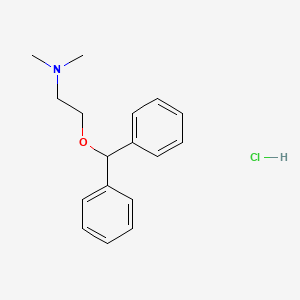
Diphenhydramine Hydrochloride
Diphenhydramine Hydrochloride is a premium-grade, first-generation antihistamine active pharmaceutical ingredient (API) carrying CAS number 147-24-0. This high-purity crystalline compound with sedative, antiemetic, and anticholinergic properties is widely utilized across the global healthcare sector to manufacture clinical-strength allergy relief tablets, nighttime sleep aids, cough syrups, and veterinary applications.
Description
Comprehensive Product Overview of Diphenhydramine Hydrochloride
Exceptional digestibility and rapid molecular action provide a major competitive advantage in the formulation of therapeutic treatments. This active pharmaceutical ingredient works by providing the essential structural mechanisms—specifically competing with free histamine for H1-receptor sites in the central nervous system—needed for effective systemic modulation. It helps manufacturers achieve potent soothing profiles in over-the-counter allergy and sleep products without sacrificing formula stability. For instance, Diphenhydramine Hydrochloride is frequently used as a primary ingredient in clinical-strength nighttime sleep therapies. Consequently, it improves the clinical efficacy of acute urticaria and seasonal rhinitis management routines. As a result, Zyntex ensures low heavy metal content and strict microbiological control for our supply, ensuring maximum safety during your manufacturing cycle.
Moreover, Zyntex supplies specialized fine powder grades for the human clinical and veterinary healthcare compounding industries. This compound acts as a critical structural asset, helping to enhance the defense mechanisms of biological systems undergoing severe allergic responses or insect bite irritation. It pushes the boundaries of medical science by offering a highly stable active source that does not affect the final solution’s processing parameters during liquid syrup blending or direct tablet compression. At the same time, it serves as a crucial biomaterial matrix in the synthesis of specialized combination cough formulas and chemical drug intermediates. In short, our product serves as a dependable “structural matrix.” It supports both the vitality of the human body and the precision of modern biomedical engineering.
Key Industrial Applications for Diphenhydramine Hydrochloride
This high-purity white crystalline antihistaminic drug salt is essential in these four primary sectors:
💊 Allergy Tablets
Primary active pharmaceutical source used for compressing conventional oral allergy pills and solid caplets. Thus, it provides essential support for localized histamine control.
🧴 Antitussive Syrups
Key drug ingredient utilized for formulating liquid cough syrups and specialized expectorant oral fluids. Undoubtedly, it is vital for enhancing uniform liquid stabilization benchmarks.
💤 Sleep Formulations
Used as a professional active base for synthesizing over-the-counter nighttime sedation capsules and aids. Consequently, it is vital for high-performance relaxation controls.
🔬 Histamine Assays
Acts as an essential reference active for receptor binding competition studies and laboratory testing models. Specifically, it supports rapid compounding and formula clarity.
Technical Specifications
| Parameter | Standard Value |
|---|---|
| Product Name | Diphenhydramine Hydrochloride |
| Assay / Purity | 99.0% – 101.0% (Calculated on Dried Basis) |
| Appearance | White or almost white crystalline powder |
| Melting Point | 167 °C to 172 °C |
| Loss on Drying | ≤ 0.5% |
| CAS Number | 147-24-0 |
📝 Safety & Handling: Formulated strictly for controlled pharmaceutical manufacturing, anti-allergic compounding, and clinical laboratory workflows. Diphenhydramine Hydrochloride is a potent active drug substance that exhibits strong central nervous system effects, causing pronounced drowsiness, sedation, mild dizziness, or dry mouth upon heavy workplace inhalation or accidental exposure. It is highly sensitive to intense light fields, which can cause gradual degradation. Therefore, store strictly in a cool, dry location below 25°C completely protected from direct sunlight, ambient dampness, and strong incompatible oxidizing materials in its original tightly sealed safety packaging. Prevent fine dust accumulation loops during compounding cycles to protect operators and secure structural chemical efficacy. Wearing standard laboratory protective equipment (PPE)—including nitrile gloves, protective eyewear, and a certified dust respirator mask—is mandatory during material handling routines. Always consult the Safety Data Sheet (SDS) for detailed protocols.