Calcium Hypochlorite
Calcium Hypochlorite (CAS 7778-54-3), 65–70% available chlorine, granules and tablets, supplied wholesale by Zyntex. For swimming pools, drinking water disinfection, wastewater treatment, sanitation and bleaching. CoA and SDS.
Description
Calcium Hypochlorite Product Overview
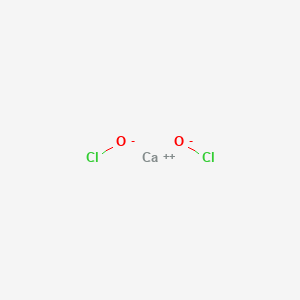
Calcium hypochlorite (Ca(OCl)2) is a white to off-white granular solid or tablet with a chlorine odor. It dissolves in water and releases hypochlorous acid, the active disinfecting species. Compared with liquid bleach, it contains much more available chlorine and keeps its strength longer in storage.
The main applications are swimming pool chlorination, drinking water disinfection in municipal, rural and emergency settings, wastewater treatment and sanitation in food processing. Pool operators often combine it with Sodium Bicarbonate for alkalinity control and with algaecides such as Copper Sulfate. It is also used to bleach textiles and pulp.
It is a strong oxidizer. It must never come into contact with acids, organic materials, oils or other pool chemicals in concentrated form, because this can cause fire or release toxic chlorine gas. Transport follows dangerous goods rules, and disinfectant products need authorization under biocide legislation in many markets.
Key Applications of Calcium Hypochlorite
Main application areas:
🏊 Swimming Pools
Chlorination and shock treatment of pool water.
💧 Drinking Water
Disinfection in municipal, rural and emergency water supplies.
🏭 Wastewater
Disinfection and odor control in wastewater treatment.
🧽 Sanitation and Bleaching
Sanitizing in food processing and bleaching of textiles.
Calcium Hypochlorite Technical Specifications
| Parameter | Standard Value |
|---|---|
| Product Name | Calcium Hypochlorite |
| CAS Number | 7778-54-3 |
| EC Number | 231-908-7 |
| Molecular Formula / Weight | Ca(OCl)2 / 142.98 g/mol |
| Assay / Purity | Min 65% – 70% (Available Chlorine) |
| Appearance | White to off-white granular / tablet |
| Documents | CoA and SDS with every lot |
⚠️ Safety & Handling: Strong oxidizer that may intensify fire. Harmful if swallowed, causes severe skin burns and eye damage, and is very toxic to aquatic life. Contact with acids releases toxic chlorine gas. Store in a cool, dry, ventilated place in original containers, away from acids, organic materials, fuels and other chemicals. Wear chemical-resistant gloves, goggles and protective clothing. Always consult the Safety Data Sheet (SDS) for full classification and handling instructions.
Frequently Asked Questions
What is the difference between granules and tablets?
Granules dissolve quickly and suit shock treatment and dosing in solution. Tablets dissolve slowly and suit continuous chlorination in feeders.
Can calcium hypochlorite be mixed with other pool chemicals?
No. Never mix it in concentrated form with acids, stabilized chlorine products or organic materials, as this can cause fire or toxic gas. Add each chemical separately to the water.
How can I get a price and documents?
Prices depend on quantity, packaging and destination. Contact us with your required volume to receive a quotation together with the CoA and SDS.