Antimony(III) Oxide
Antimony(III) Oxide (antimony trioxide, CAS 1309-64-4), min. 99.5%, supplied wholesale by Zyntex for professional use. Flame retardant synergist for plastics, cables and textiles, PET catalyst and glass opacifier. CoA and SDS.
Description
Antimony(III) Oxide Product Overview
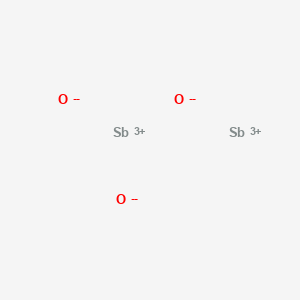
Antimony(III) oxide (Sb2O3) is a fine white powder that is practically insoluble in water. On its own it has little flame-retardant effect, but together with halogenated flame retardants it forms volatile antimony halides that interrupt the combustion process.
Plastics and cable compounders therefore add it with brominated or chlorinated flame retardants to PVC, polyolefins, ABS and engineering plastics. Similarly, textile and coating producers use it in flame-retardant back coatings, and polyester producers use high-purity grades as a polycondensation catalyst for PET. It also serves as an opacifier in glass and ceramics.
Antimony trioxide counts in the EU as suspected of causing cancer, so Zyntex supplies it only for professional use. Halogen-free flame retardants in our range also include Melamine cyanurate, Zinc borate and Aluminum Hydroxide.
Key Applications of Antimony(III) Oxide
Typical uses include, for example:
🔥 Flame Retardant Synergist
Additive with halogenated flame retardants.
🔌 Cables and Plastics
Component of flame-retardant compounds.
🧵 PET Catalyst
Polycondensation catalyst for polyester.
🏺 Glass and Ceramics
Opacifier as well as fining agent.
Antimony(III) Oxide Technical Specifications
| Parameter | Standard Value |
|---|---|
| Product Name | Antimony(III) Oxide |
| CAS Number | 1309-64-4 |
| Molecular Formula / Weight | Sb2O3 / 291.52 g/mol |
| Assay / Purity | Min 99.5% |
| Appearance | Fine white powder |
| Documents | CoA as well as SDS with every lot |
⚠️ Safety & Handling: Suspected of causing cancer by inhalation. For professional use only, so avoid dust formation and also wear respiratory protection, gloves and eye protection. Store in tightly closed containers in a dry place. Always consult the Safety Data Sheet (SDS), because it contains the full classification and handling instructions.
Frequently Asked Questions
Why is antimony trioxide used with halogenated flame retardants?
Because it reacts with halogens to form volatile compounds that interrupt combustion, it strongly boosts their effect.
Are there halogen-free alternatives?
Yes. Melamine cyanurate, zinc borate as well as aluminium hydroxide are common halogen-free options.
How can I get a price and documents?
Prices depend on quantity, packaging and destination, so please contact us with your required volume. We then send a quotation together with the CoA and SDS.