Terephthalic Acid
Polymer-grade Terephthalic Acid (PTA, CAS 100-21-0), min. 99.8%, supplied wholesale by Zyntex. Main raw material for PET bottles, polyester fibers and films, PBT engineering plastics and powder coating resins. CoA and SDS.
Description
Terephthalic Acid Product Overview
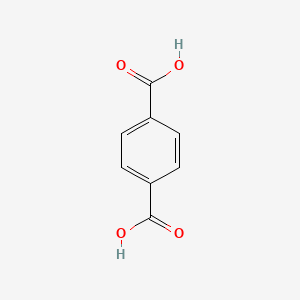
Terephthalic acid (C8H6O4) is a white crystalline powder that is almost insoluble in water and most solvents and sublimes rather than melting. Producers make it by air oxidation of p-Xylene with cobalt–manganese–bromide catalysts, which use salts such as Manganese(II) Bromide, followed by purification to polymer grade.
In addition, polymer producers react PTA with ethylene glycol to make polyethylene terephthalate (PET) for bottles, food packaging, polyester fibers and films. Similarly, they react it with 1,4-butanediol to make PBT engineering plastics, and use it in polyester resins for powder coatings.
Because polymer quality depends on impurities such as 4-carboxybenzaldehyde, purity of at least 99.8% matters. Related raw materials in our range also include Diethylene Glycol DEG and the related aromatic o-Xylene.
Key Applications of Terephthalic Acid
Typical uses include, for example:
🍶 PET Bottles
Raw material for bottle-grade PET.
🧵 Polyester Fibers
Raw material for textile fibers as well as films.
⚙️ Engineering Plastics
Raw material for PBT.
🎨 Powder Coatings
Monomer for polyester resins.
Terephthalic Acid Technical Specifications
| Parameter | Standard Value |
|---|---|
| Product Name | Terephthalic Acid (Purified – PTA) |
| CAS Number | 100-21-0 |
| Molecular Formula / Weight | C8H6O4 / 166.13 g/mol |
| Purity Grade | 99.8% Minimum (Polymer Grade) |
| Physical State | White Crystalline Powder |
| Documents | CoA as well as SDS with every lot |
⚠️ Safety & Handling: Low acute hazard, but dust may irritate the eyes and respiratory tract, and fine dust can form explosive mixtures with air. Avoid dust formation and ignition sources, and also wear dust protection and eye protection. Store in tightly closed bags in a dry place. Always consult the Safety Data Sheet (SDS), because it contains the full classification and handling instructions.
Frequently Asked Questions
How do producers make it?
Producers oxidize p-xylene with air using cobalt–manganese–bromide catalysts and then purify the crude acid to polymer grade.
What does PTA stand for?
PTA stands for purified terephthalic acid, the polymer-grade quality used for PET as well as polyester.
How can I get a price and documents?
Prices depend on quantity, packaging and destination, so please contact us with your required volume. We then send a quotation together with the CoA and SDS.