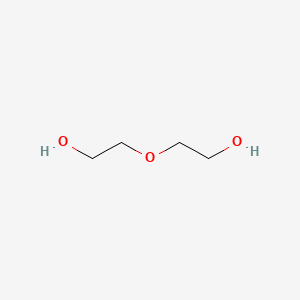
Diethylene Glycol DEG
Industrial-grade Diethylene Glycol (DEG, CAS 111-46-6), min. 99.5%, supplied wholesale by Zyntex. For polyester and alkyd resins, polyurethanes, natural gas dehydration, dye solvents and humectants. CoA and SDS with every lot.
Description
Diethylene Glycol Product Overview
Diethylene glycol (C4H10O3) is a clear, colorless, nearly odorless liquid that boils at about 245°C. It mixes with water and many organic solvents and attracts moisture from the air. These properties make it a useful solvent, humectant and building block.
Resin producers react diethylene glycol with Phthalic Anhydride and other acids to make unsaturated polyester and alkyd resins, and with isocyanates to make polyurethanes. In the gas industry, it removes water from natural gas. It also works as a solvent for dyes and inks, a humectant for paper, cork and adhesives, and a component of brake fluids and antifreeze blends.
It is toxic to humans and must never replace Glycerine or 1,2-Propylene glycol in food, medicines or cosmetics. For resin applications that need more weather resistance, Neopentyl Glycol is a common alternative.
Key Applications of Diethylene Glycol
Main application areas:
🏭 Polyester Resins
Glycol component for unsaturated polyester and alkyd resins.
🛋️ Polyurethanes
Building block for polyester polyols.
🛢️ Gas Dehydration
Drying agent for natural gas streams.
🖨️ Solvents and Humectants
Solvent for dyes and inks, humectant for paper and adhesives.
Diethylene Glycol Technical Specifications
| Parameter | Standard Value |
|---|---|
| Product Name | Diethylene Glycol (DEG) |
| CAS Number | 111-46-6 |
| EC Number | 203-872-2 |
| Molecular Formula / Weight | C4H10O3 / 106.12 g/mol |
| Assay / Purity | Min 99.5% |
| Appearance | Colorless, odorless liquid |
| Boiling Point | approx. 245°C |
| Documents | CoA and SDS with every lot |
⚠️ Safety & Handling: Harmful if swallowed and may cause kidney damage through prolonged or repeated exposure. Never use in food, pharmaceuticals or cosmetics. Wear gloves and eye protection. Store in tightly closed containers in a dry, ventilated place, because DEG absorbs moisture. Always consult the Safety Data Sheet (SDS) for full classification and handling instructions.
Frequently Asked Questions
Can diethylene glycol replace glycerin or propylene glycol?
No. It is toxic and must never be used in food, medicines, toothpaste or cosmetics. It is supplied for industrial applications only.
What is the difference between DEG and MEG?
Monoethylene glycol (MEG) is smaller and used mainly in antifreeze and PET. DEG has a higher boiling point and is preferred in resins, gas drying and as a humectant.
How can I get a price and documents?
Prices depend on quantity, packaging and destination. Contact us with your required volume to receive a quotation together with the CoA and SDS.