Phthalic Anhydride
Phthalic Anhydride (CAS 85-44-9), ≥99.7%, supplied wholesale by Zyntex. Intermediate for plasticizers, unsaturated polyester and alkyd resins, and phthalocyanine pigments. CoA and SDS with every lot.
Description
Phthalic Anhydride Product Overview
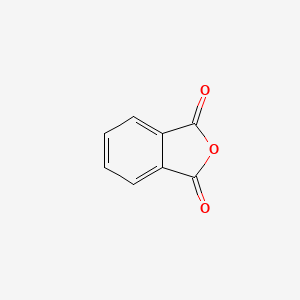
Phthalic anhydride (C8H4O3) is a white crystalline solid, usually supplied as flakes, that melts at about 131°C. It reacts readily with alcohols and water. In fact, it slowly turns into phthalic acid in moist air, so it needs dry storage.
The largest use of it is in phthalate plasticizers, which make PVC flexible. Resin producers also combine it with glycols such as Diethylene Glycol DEG, 1,2-Propylene glycol and Neopentyl Glycol to make unsaturated polyester resins for composites, and with polyols and oils to make alkyd resins for paints.
Pigment and dye producers use it as a building block for phthalocyanine blues and greens and for anthraquinone dyes. For polyester applications that need a para-substituted acid, Terephthalic Acid is the related raw material.
Key Applications of Phthalic Anhydride
Main application areas:
🧪 Plasticizers
Raw material for phthalate and other ester plasticizers.
🚤 Polyester Resins
Acid component of unsaturated polyester resins for composites.
🎨 Alkyd Resins
Building block for alkyd resins in paints and coatings.
🔵 Pigments and Dyes
Intermediate for phthalocyanine pigments and anthraquinone dyes.
Phthalic Anhydride Technical Specifications
| Parameter | Standard Value |
|---|---|
| Product Name | Phthalic Anhydride |
| CAS Number | 85-44-9 |
| EC Number | 201-607-5 |
| Molecular Formula / Weight | C8H4O3 / 148.12 g/mol |
| Assay (Purity) | ≥ 99.7% |
| Appearance | White flakes or crystalline solid |
| Melting Point | approx. 131°C |
| Documents | CoA and SDS with every lot |
⚠️ Safety & Handling: Harmful if swallowed, causes serious eye damage and skin and respiratory irritation, and may cause allergic skin and respiratory reactions. Avoid dust and vapors, use local exhaust ventilation, and wear gloves, goggles and respiratory protection. Store in tightly closed containers in a dry place, away from water and strong oxidizers. Always consult the Safety Data Sheet (SDS) for full classification and handling instructions.
Frequently Asked Questions
Why must phthalic anhydride be kept dry?
It reacts with moisture to form phthalic acid, which changes its reactivity in resin production. Keep containers tightly closed in a dry place.
What is the difference between phthalic anhydride and terephthalic acid?
Both are benzene dicarboxylic acid derivatives. Phthalic anhydride (ortho) is used in plasticizers, UPR and alkyds, while terephthalic acid (para) is used mainly for PET and saturated polyesters.
How can I get a price and documents?
Prices depend on quantity, packaging and destination. Contact us with your required volume to receive a quotation together with the CoA and SDS.