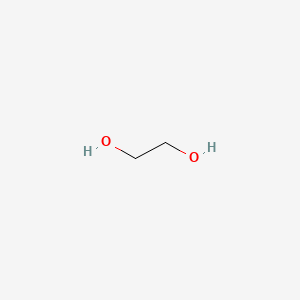
Polyethylene Glycol (PEG)
Polyethylene Glycol (PEG, CAS 25322-68-3) from PEG 200 to PEG 20000, supplied wholesale by Zyntex. Water-soluble polymer for pharmaceuticals, cosmetics, lubricants, binders and PEG ester synthesis. CoA and SDS with every lot.
Description
Polyethylene Glycol Product Overview
Polyethylene glycols are polymers of ethylene oxide. Their name includes the average molecular weight, for example PEG 400 or PEG 4000. Grades up to about PEG 600 are clear liquids, while higher grades are white waxy solids, flakes or powders. All dissolve in water and have low volatility.
Pharmaceutical companies use PEG as an ointment and suppository base, a solvent for liquid formulations, and a binder and coating component in tablets. Cosmetic formulators use it as a humectant and solvent, and PEG serves as the starting material for many PEG esters and ethoxylated ingredients. In these roles it often appears next to Glycerine and 1,2-Propylene glycol.
In industry, PEG works as a lubricant, mold release agent, binder in ceramics and dispersant in paints and inks. Choosing the right grade matters, because molecular weight controls viscosity, melting point and solubility.
Key Applications of Polyethylene Glycol
Main application areas:
💊 Pharmaceuticals
Ointment base, solvent, binder and tablet coating component.
🧴 Cosmetics
Humectant, solvent and base for PEG derivatives.
🏭 Industrial Processing
Lubricant, mold release agent and ceramic binder.
🧪 Chemical Synthesis
Raw material for PEG esters and surfactants.
Polyethylene Glycol Technical Specifications
| Parameter | Standard Value |
|---|---|
| Product Name | Polyethylene Glycol (PEG) |
| CAS Number | 25322-68-3 |
| Grades | PEG 200 to PEG 20000 (per order) |
| Appearance | Clear liquid (low grades) or white waxy solid (high grades) |
| Standard Quality | High Purity Industrial Grade; pharma grades on request |
| Documents | CoA and SDS with every lot |
⚠️ Safety & Handling: Not classified as hazardous under GHS. Avoid contact with eyes and avoid dust formation with solid grades. Store in tightly closed containers in a cool, dry place, away from strong oxidizers. Always consult the Safety Data Sheet (SDS) for full classification and handling instructions.
Frequently Asked Questions
Which PEG grade do I need?
Liquid grades such as PEG 400 suit solvents and humectants, while solid grades such as PEG 4000 or 6000 suit binders, bases and lubricants. Tell us your application and we will suggest a grade.
Do you supply pharmaceutical-grade PEG?
Yes, pharmaceutical grades meeting pharmacopoeia requirements can be quoted on request, in addition to industrial grades.
How can I get a price and documents?
Prices depend on quantity, packaging and destination. Contact us with your required volume to receive a quotation together with the CoA and SDS.