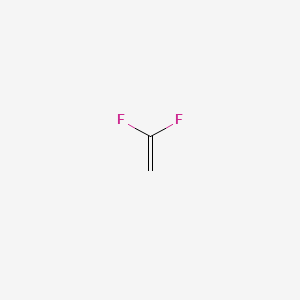
Polyvinylidene Fluoride
Polyvinylidene Fluoride (PVDF) by Zyntex is a high-performance thermoplastic fluoropolymer offering exceptional chemical resistance, UV stability, and high dielectric strength.
Description
Comprehensive Product Overview of PVDF
Exceptional chemical resistance and high purity levels provide a major competitive advantage in the fluid handling and semiconductor industries. This fluoropolymer works by maintaining its structural integrity when exposed to harsh acids, solvents, and oxidants. It helps manufacturers achieve longer service life for equipment used in aggressive chemical environments. For instance, Polyvinylidene Fluoride is the preferred material for liners in chemical storage tanks and high-purity water systems. Consequently, it reduces maintenance costs and prevents fluid contamination. As a result, Zyntex ensures optimized molecular weight distribution and crystallinity for our supply, ensuring maximum durability during your extrusion or injection molding cycles.
Moreover, Zyntex supplies specialized battery-grade PVDF for the energy storage sector. This compound acts as a critical binder in the production of cathodes for lithium-ion batteries, ensuring stable adhesion between active materials and current collectors. It pushes the boundaries of electrochemical performance by remaining stable at high voltages and temperatures. At the same time, it serves as a crucial component in piezoelectric sensors due to its unique polar structure. In short, our product serves as a dependable “protective barrier.” It supports both the innovation of green energy technology and the safety requirements of industrial chemical processing.
Recently, scientific interest in its application for advanced water treatment membranes and hollow fiber filters has intensified. It provides a stable chemical route for developing high-flux filtration systems that resist fouling. Because of this, Zyntex offers refined grades designed to meet the rigorous specifications of modern desalination plants and biotechnology research. Ultimately, choosing Zyntex secures a reliable and transparent polymer supply chain. We balance fluoropolymer chemistry expertise with rigorous mechanical testing and quality monitoring. To conclude, our commitment ensures your Polyvinylidene Fluoride applications achieve the highest levels of chemical resistance and longevity.
Key Industrial Applications for PVDF
This high-purity fluoropolymer is essential in these four primary sectors:
⚡ Energy Storage
Key binder for Li-ion battery electrodes. Thus, it is vital for high-capacity battery manufacturing.
🏗️ Specialty Coatings
Used in UV-resistant architectural finishes. Undoubtedly, it is vital for long-lasting exterior surfaces.
💧 Water Treatment
Primary material for ultrafiltration membranes. Consequently, it improves the efficiency of water purification.
🏭 Chemical Processing
Essential for corrosion-resistant pipes and valves. Specifically, it supports safe handling of aggressive acids.
Technical Specifications
| Parameter | Standard Value |
|---|---|
| Product Name | Polyvinylidene Fluoride (PVDF) |
| Melting Point | 172 – 175 °C |
| Density | 1.78 g/cm³ |
| CAS Number | 24937-79-9 |
📝 Safety & Handling: PVDF is chemically stable under normal conditions but can release toxic hydrofluoric acid if overheated above 350°C. Therefore, ensure adequate ventilation during thermal processing. Store in a cool, dry area away from incompatible strong bases. Use standard PPE including safety glasses and heat-resistant gloves during molding. Always consult the Safety Data Sheet (SDS) for detailed thermal decomposition and waste management protocols.