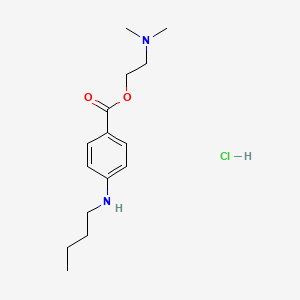
Tetracaine Base
Pharmaceutical-grade Tetracaine Base (amethocaine, CAS 94-24-6), 99–101%, supplied wholesale by Zyntex to licensed producers. Oil-soluble ester local anesthetic API for topical gels and creams. CoA and SDS with every lot.
Description
Tetracaine Base Product Overview
Tetracaine base (C15H24N2O2) is a white to off-white crystalline powder that melts at about 41–45°C. It is practically insoluble in water but dissolves in oils and alcohols, which makes the base form suitable for topical products that need to penetrate the skin.
Pharmaceutical companies use it in topical anesthetic gels and creams, for example before needle procedures, and in combination products. For eye drops and spinal anesthesia, the water-soluble salt Tetracaine HCL is used instead. Related ester and amide local anesthetics in our range include Benzocaine, Procaine hydrochloride and Lidocaine Hydrochloride.
Because of its low melting point, it must be stored cool. Zyntex supplies it only to licensed pharmaceutical companies.
Key Applications of Tetracaine Base
Main application areas:
🧴 Topical Gels
API for skin-anesthetic gels and creams.
🔗 Combination Products
Combined with other local anesthetics.
🐾 Veterinary Topicals
API for authorized veterinary products.
🔬 Generic Development
Development and reference material.
Tetracaine Base Technical Specifications
| Parameter | Standard Value |
|---|---|
| Product Name | Tetracaine Base |
| CAS Number | 94-24-6 |
| Molecular Formula / Weight | C15H24N2O2 / 264.36 g/mol |
| Assay / Purity | 99.0% – 101.0% (Calculated on Dried Basis) |
| Appearance | White to off-white crystalline fine powder |
| Melting Point | 41 °C to 45 °C |
| Loss on Drying | ≤ 0.5% |
| Documents | CoA and SDS with every lot |
⚠️ Safety & Handling: Pharmacologically active substance; toxic if swallowed and may cause allergic skin reactions. Avoid inhalation of dust and contact with skin; wear gloves, eye protection and dust protection. Store in tightly closed, light-resistant containers below 25°C, as the substance has a low melting point. Always consult the Safety Data Sheet (SDS) for full classification and handling instructions.
Frequently Asked Questions
What is the difference between tetracaine base and tetracaine hydrochloride?
The base is oil-soluble and suits topical gels and creams. The hydrochloride is water-soluble and is used in eye drops and injections.
Who can purchase this API?
It is supplied only to pharmaceutical companies holding the licenses required for API purchase and use in their country.
How can I get a price and documents?
Prices depend on quantity, packaging and destination. Contact us with your required volume to receive a quotation together with the CoA and SDS.