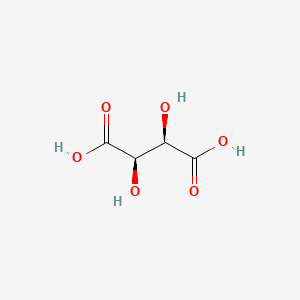
Tartaric Acid
L(+)-Tartaric Acid (CAS 87-69-4, E334) with min. 99.7% purity, supplied wholesale by Zyntex. Food acidulant for wine, beverages and bakery, plus effervescent tablets and gypsum set retarder. CoA and SDS with every lot.
Description
Tartaric Acid Product Overview
L(+)-Tartaric acid (C4H6O6) is a white crystalline powder with a strong, sharp sour taste. It is very soluble in water and is approved as a food additive under E number E334. Natural L(+)-tartaric acid is recovered from by-products of the wine industry, such as wine lees and argol.
In food and beverages, tartaric acid is used to adjust acidity in wine, grape drinks, jams and confectionery. Combined with Sodium Bicarbonate, it releases carbon dioxide, which is why it is used in baking powders and effervescent tablets. It is often compared with Citric Acid Anhydrous and Lactic acid, but gives a sharper, more grape-like sourness.
It also has important technical uses. It is an effective set retarder for gypsum plasters and cement-based materials, a chelating agent in metal cleaning and polishing, and a chiral resolving agent in pharmaceutical synthesis. Zyntex supplies it in sealed original packaging from qualified producers.
Key Applications of Tartaric Acid
Main application areas:
🍷 Wine and Beverages
Acidity regulator for wine, grape juices and soft drinks.
🥗 Food and Bakery
Acidulant in confectionery and jams, and acid component of baking powders.
💊 Pharmaceuticals
Acid source in effervescent tablets and chiral resolving agent in synthesis.
🏗️ Construction
Set retarder for gypsum plasters and cement-based building materials.
Tartaric Acid Technical Specifications
| Parameter | Standard Value |
|---|---|
| Product Name | Tartaric Acid |
| CAS Number | 87-69-4 |
| EC Number | 201-766-0 |
| E Number | E334 |
| Molecular Formula / Weight | C4H6O6 / 150.09 g/mol |
| Appearance | White crystalline powder |
| Assay / Purity | Min 99.7% |
| Melting Point | approx. 168–170°C |
| Documents | CoA and SDS with every lot |
⚠️ Safety & Handling: Can cause serious eye damage; wear tight-fitting safety goggles and gloves, and avoid creating dust. Store in tightly closed bags or containers in a cool, dry place, away from oxidizing agents and bases. Always consult the Safety Data Sheet (SDS) for full classification and handling instructions.
Frequently Asked Questions
Is your product natural?
L(+)-tartaric acid is typically recovered from wine industry by-products. Origin details are stated on the lot documentation, which can be shared before ordering.
What is the difference between tartaric acid and citric acid?
Both are food acidulants. Tartaric acid gives a sharper, grape-like sourness and is the natural acid of wine, while citric acid has a softer, citrus-like profile.
How can I get a price and documents?
Prices depend on quantity, packaging and destination. Contact us with your required volume to receive a quotation together with the CoA and SDS.