Sodium Sulfate
Anhydrous Sodium Sulfate (CAS 7757-82-6) with min. 99.0% purity, supplied wholesale by Zyntex. Inorganic salt for powder detergents, textile dyeing, glass melting, kraft pulping and laboratory drying. CoA and SDS with every lot.
Description
Sodium Sulfate Product Overview
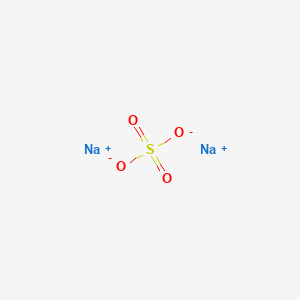
Sodium sulfate (Na2SO4) is supplied in anhydrous form as a white, odorless powder or granules. It is very soluble in water and chemically stable. Its hydrated form, sodium sulfate decahydrate, is known as Glauber’s salt. In food, it is approved under E number E514.
The largest use of it is as a filler and processing aid in powder laundry detergents. It is also used in textile dyeing, where it helps direct and reactive dyes absorb evenly into cotton fibers, and in glass melting as a fining agent that removes small air bubbles.
In the kraft pulping process, sodium sulfate (salt cake) is used to make up sodium losses in the chemical recovery cycle. In laboratories, the anhydrous form is a standard drying agent for organic solutions. Related sulfates such as Magnesium sulfate and Calcium sulfate are used in other parts of these industries.
Key Applications of Sodium Sulfate
Main application areas:
🧺 Detergents
Filler and processing aid in powder laundry detergents.
👕 Textile Dyeing
Leveling and exhausting agent for direct and reactive dyes on cotton.
🏭 Glass and Pulp
Fining agent in glass melting and make-up chemical in kraft pulping.
🔬 Laboratory
Drying agent for organic solvents and solutions.
Sodium Sulfate Technical Specifications
| Parameter | Standard Value |
|---|---|
| Product Name | Sodium Sulfate (Anhydrous) |
| CAS Number | 7757-82-6 |
| EC Number | 231-820-9 |
| E Number | E514 |
| Molecular Formula / Weight | Na2SO4 / 142.04 g/mol |
| Appearance | White granules or powder |
| Assay / Purity | Min 99.0% |
| Documents | CoA and SDS with every lot |
⚠️ Safety & Handling: Not classified as hazardous under GHS, but dust may irritate the eyes and respiratory tract. Avoid creating dust and wear eye protection when handling. Store in tightly closed bags in a dry place, as the anhydrous form absorbs moisture and may cake. Always consult the Safety Data Sheet (SDS) for full classification and handling instructions.
Frequently Asked Questions
How does the anhydrous form differ from Glauber’s salt?
Glauber’s salt is the decahydrate, which contains water of crystallization. The anhydrous form contains no water and is preferred for detergents, glass and laboratory drying.
Which grade do you supply?
This product is the anhydrous grade with a minimum purity of 99.0%, suitable for detergent, textile, glass and general industrial use.
How can I get a price and documents?
Prices depend on quantity, packaging and destination. Contact us with your required volume to receive a quotation together with the CoA and SDS.