Potassium Hydrogen Carbonate
Potassium Hydrogen Carbonate (potassium bicarbonate, CAS 298-14-6, E501(ii)), 99.0–101.5%, supplied wholesale by Zyntex. For sodium-free baking, beverages, powdery mildew control and Purple-K extinguishers. CoA and SDS.
Description
Potassium Hydrogen Carbonate Product Overview
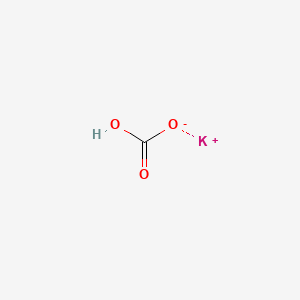
Potassium hydrogen carbonate (KHCO3) is a white crystalline powder or granule that is freely soluble in water and gives a mildly alkaline solution. It is approved as a food additive under E number E501(ii). When heated above about 100°C, it releases carbon dioxide and water and turns into Potassium Carbonate.
In food, potassium bicarbonate is used as a sodium-free leavening agent in baking powders, combined with acids such as Tartaric Acid, and as an acidity regulator in wine, mineral water and soft drinks. It is also used in effervescent tablets and as a potassium source in pharmaceutical products. It is the sodium-free alternative to Sodium Bicarbonate.
In agriculture, potassium hydrogen carbonate is approved in the EU as a plant protection active substance and is used against powdery mildew, including in organic farming. It is also the active ingredient of dry chemical fire extinguishers known as Purple-K, which are especially effective on flammable liquid fires.
Key Applications of Potassium Hydrogen Carbonate
Main application areas:
🧁 Baking
Sodium-free leavening agent in baking powders.
🍷 Beverages
Acidity regulator for wine, mineral water and soft drinks.
🌱 Agriculture
Fungicidal active substance against powdery mildew.
🔥 Fire Extinguishers
Dry chemical agent (Purple-K) for flammable liquid fires.
Potassium Hydrogen Carbonate Technical Specifications
| Parameter | Standard Value |
|---|---|
| Product Name | Potassium Hydrogen Carbonate (Potassium Bicarbonate) |
| CAS Number | 298-14-6 |
| EC Number | 206-059-0 |
| E Number | E501(ii) |
| Molecular Formula / Weight | KHCO3 / 100.12 g/mol |
| Assay / Purity | 99.0% to 101.5% (Dry Basis) |
| Appearance | White crystalline powder or granules |
| pH (1% Solution) | 8.0 to 8.6 |
| Solubility | Freely soluble in water; practically insoluble in ethanol |
| Documents | CoA and SDS with every lot |
⚠️ Safety & Handling: Not classified as hazardous under GHS, but dust may irritate the eyes. Reacts with acids to release carbon dioxide. Store in tightly closed bags in a cool, dry place, away from acids and heat. Always consult the Safety Data Sheet (SDS) for full classification and handling instructions.
Frequently Asked Questions
What is the difference between potassium bicarbonate and sodium bicarbonate?
Both are leavening agents and mild bases. Potassium bicarbonate contains no sodium, so it is used in sodium-reduced foods and where potassium is preferred.
Can potassium bicarbonate be used in organic farming?
It is approved in the EU as a plant protection substance against powdery mildew. Product registration rules depend on your country.
How can I get a price and documents?
Prices depend on quantity, packaging and destination. Contact us with your required volume to receive a quotation together with the CoA and SDS.