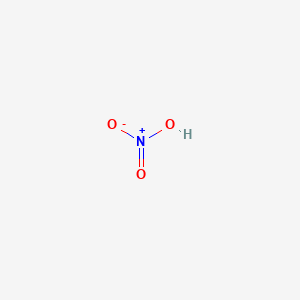
Nitric Acid
Industrial Nitric Acid (CAS 7697-37-2), 53–68%, supplied wholesale by Zyntex to professional users. For fertilizer production, nitration and oxidation, metal pickling and passivation, and precious metal refining. CoA and SDS.
Description
Nitric Acid Product Overview
Nitric acid (HNO3) is a clear, colorless to yellowish liquid. Commercial grades usually contain 53–68% acid; 68% is the azeotropic concentration, and fuming grades exceed 86%. The yellow color comes from dissolved nitrogen dioxide formed by decomposition in light.
Most production goes into fertilizers such as ammonium nitrate and calcium ammonium nitrate. The chemical industry uses it for nitration, for example to make nitrobenzene for aniline and the intermediates of polyurethane raw materials, and to oxidize cyclohexanone to adipic acid for nylon. It also serves as the raw material for nitrates such as Potassium Nitrate.
In metal treatment, nitric acid pickles and passivates stainless steel and etches metals in electronics. Precious metal refiners combine it with hydrochloric acid in aqua regia. For other mineral acids, see Sulfuric acid and Phosphoric acid. In the EU, nitric acid above 3% is a restricted explosives precursor that may not be sold to the general public.
Key Applications of Nitric Acid
Main application areas:
🌱 Fertilizers
Raw material for ammonium nitrate and other nitrate fertilizers.
🧪 Nitration
Nitration and oxidation in chemical synthesis.
🔩 Metal Treatment
Pickling, passivation and etching of metals.
💍 Precious Metals
Refining and analysis of gold, silver and platinum metals.
Nitric Acid Technical Specifications
| Parameter | Standard Value |
|---|---|
| Product Name | Nitric Acid |
| CAS Number | 7697-37-2 |
| EC Number | 231-714-2 |
| Molecular Formula / Weight | HNO3 / 63.01 g/mol |
| Grade | Industrial / Technical Grade |
| Concentration | 53% – 68% (other grades on request) |
| Appearance | Clear, Colorless to Yellowish Liquid |
| Documents | CoA and SDS with every lot |
⚠️ Safety & Handling: Strong oxidizer that may intensify fire; causes severe skin burns and eye damage; toxic if inhaled. Contact with metals and organic materials can release toxic nitrogen oxides. Wear acid-resistant gloves, a face shield and protective clothing, and work with good ventilation. Store in original acid-resistant containers in a cool, dark place, away from organics, bases and metals. Always consult the Safety Data Sheet (SDS) for full classification and handling instructions.
Frequently Asked Questions
Which concentrations do you supply?
Common concentrations between 53% and 68% are available; other concentrations can be quoted on request.
Can it be sold to private individuals?
No. In the EU, solutions above 3% are restricted explosives precursors and are supplied only to professional users.
How can I get a price and documents?
Prices depend on quantity, packaging and destination. Contact us with your required volume to receive a quotation together with the CoA and SDS.