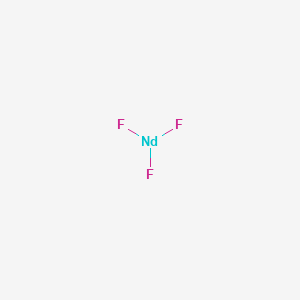
Neodymium(III) Fluoride
Neodymium(III) Fluoride (NdF3, CAS 13709-42-7), ≥81% TREO, low impurities, supplied wholesale by Zyntex. Electrolyte component for neodymium metal production, optical coating material and fluoride glass raw material. CoA and SDS.
Description
Neodymium(III) Fluoride Product Overview
Neodymium(III) fluoride (NdF3) is a pinkish-white powder or crystalline material that melts at about 1,374°C and is insoluble in water. It has low levels of non-rare-earth impurities, which is essential for metal production.
In addition, rare earth metal producers use it together with lithium fluoride as the molten salt electrolyte in which they reduce Neodymium(III) oxide to neodymium metal for NdFeB magnets. Similarly, optical coating producers use it as an evaporation material, and glass producers use it in fluoride glasses and laser materials. It also serves in some metallothermic reduction processes.
Furthermore, related neodymium compounds in our range include Neodymium(III) nitrate hexahydrate; other fluorides include Lithium Fluoride and Cerium(III) fluoride.
Key Applications of Neodymium(III) Fluoride
Typical uses include, for example:
🧲 Neodymium Metal
Electrolyte component for metal production.
🔬 Optical Coatings
Evaporation material for optical layers.
💡 Fluoride Glasses
Component of laser as well as fluoride glasses.
⚗️ Metallothermic Reduction
Raw material for alloy production.
Neodymium(III) Fluoride Technical Specifications
| Parameter | Standard Value |
|---|---|
| Product Name | Neodymium(III) Fluoride |
| CAS Number | 13709-42-7 |
| TREO (Total Rare Earth Oxide) | ≥ 81.0% |
| Appearance | Pinkish white powder or crystalline matrix |
| Melting Point | Approx. 1374 °C |
| Non-RE Impurities | ≤ 0.05% (Fe2O3, SiO2, CaO) |
| Documents | CoA as well as SDS with every lot |
⚠️ Safety & Handling: May be harmful if swallowed or inhaled and may irritate the eyes and respiratory tract; contact with strong acids releases hydrogen fluoride. Avoid dust formation and also wear dust protection and eye protection. Store in tightly closed containers in a dry place. Always consult the Safety Data Sheet (SDS), because it contains the full classification and handling instructions.
Frequently Asked Questions
How is neodymium fluoride used to make neodymium metal?
Producers dissolve neodymium oxide in a molten neodymium fluoride–lithium fluoride electrolyte as well as reduce it to metal by electrolysis.
Why are non-rare-earth impurities important?
Because iron, silicon and calcium would contaminate the metal, low impurity levels are essential for magnet-grade neodymium.
How can I get a price and documents?
Prices depend on quantity, packaging and destination, so please contact us with your required volume. We then send a quotation together with the CoA and SDS.