Monoethylene Glycol MEG

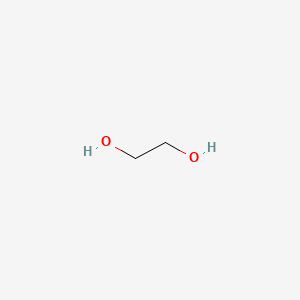
Monoethylene Glycol (MEG) is a premium-grade, clear, practically odorless, and viscous aliphatic diol carrying CAS number 107-21-1. Characterized by its exceptional hygroscopic nature, significant freezing point depression capability, and high chemical reactivity as a structural intermediate, this versatile liquid serves as an indispensable core block for manufacturing polyester fibers, heavy-duty automotive antifriz formulations, and industrial cooling fluids globally.

SKU: 107-21-1 Category: Tags: ,
Description
Monoethylene Glycol, widely designated as MEG or simply ethane-1,2-diol, represents a foundational organic chemical block processed under strict purity metrics to fulfill advanced automotive and polymer fabrication standards. Zyntex distributes high-grade Monoethylene glycol (CAS 107-21-1) tailored specifically for large-scale textile polyester production plants, commercial heat-transfer fluid blending loops, and international chemical synthesis runs. Functioning as a high-performance chemical intermediate and reliable thermodynamic agent, it ensures uniform mix dissolving and stable temperature regulation profiles across demanding factory operations. Furthermore, its strictly minimized water content and low volatile trace impurities make it a premier option for high-speed industrial polymerizations. Accordingly, process engineers specify this versatile diol to optimize anti-freezing thresholds and enhance the structural durability of finished synthetic fibers.

Thermal Regulation Performance and Polymer Synthesis

The immense molecular stability and superior boiling elevation qualities of Monoethylene Glycol provide a distinct operational edge in demanding HVAC cooling loops and petrochemical manufacturing facilities. This clear liquid compound functions as an efficient structural precursor, reacting smoothly with purified terephthalic acid under intensive chemical plant heat to yield highly durable polyethylene terephthalate (PET) resins without disrupting processing equilibrium. It assists plant operators in maintaining exact fluid viscosity thresholds across continuous liquid cooling circuits, effectively extending machinery runtime parameters and preventing premature freezing cracks during extreme winter conditions. For instance, industrial manufacturing hubs integrate this compound as a foundational component to formulate specialized long-life engine coolants. As a consequence, it maximizes the overall thermal dissipation efficiency of heavy machinery and improves automated climate regulation tolerances. Consequently, Zyntex coordinates continuous quality testing to eliminate processing moisture variables from your supply stream.

In addition to this, Zyntex manages tightly regulated bulk logistics for industrial resin synthesis plants and specialized oilfield dehydration systems. The substance operates as an active thermodynamic moisture scavenger, binding effectively with ambient water molecules inside natural gas processing columns to inhibit pipeline ice crystallization over long transmission runs. It advances modern chemical engineering by providing a highly stable, dependable diol source that mixes predictably with primary water-soluble solvent types under specified atmospheric pressures. Simultaneously, it remains a critical chemical raw material for routine esterification procedures and high-grade electrolytic capacitor manufacturing batches. In brief, our product functions as an indispensable liquid platform, supporting both the continuous output of global synthetic textile plants and the structural safety of deep-water pipeline infrastructures.

Primary Commercial Sectors for Monoethylene Glycol

This ultra-pure liquid organic diol delivers crucial technical value within these four critical sectors:

🚗 Coolants & Antifreeze

Primary chemical base used to blend heavy-duty automotive engine coolants and industrial heat-exchange liquids. Hence, it directly supports outstanding burst protection.

🧴 Polyester & PET Fibers

Essential chemical building block utilized to synthesis polyester fibers, packaging resins, and standard bottle plastics. Clearly, it is key for uniform material tensile density.

⛽ Gas Dehydration

Functions as an efficient moisture stripping agent inside upstream natural gas pipeline treatment operations. Resultantly, it balances long-term transportation safety variables.

🧪 Chemical Derivatives

Provides an excellent, highly pure chemical baseline to manufacture advanced solvent blends, wood stains, and industrial surface coatings. Specifically, it ensures high product clarity.

Technical Specifications

ParameterStandard Value
Product NameMonoethylene Glycol (MEG)
Purity (By Weight)Min 99.5%
AppearanceClear, colorless, viscous liquid
Moisture Content (Water)Max 0.1%
Boiling PointApprox. 197.3 °C
CAS Number107-21-1

📝 Safety & Handling: Monoethylene Glycol is a stable liquid compound, but it is harmful and exhibits acute toxicity if swallowed or ingested by humans or animals. Direct mist inhalation or eye splash contact can trigger mechanical tearing, severe internal gastrointestinal discomfort, and metabolic renal complications. Therefore, store strictly inside its original tightly sealed steel drums or IBC containers within a cool, completely dry, well-ventilated warehouse facility away from strong oxidizing chemicals, high storage temperatures, and open drainage loops. Avoid generating airborne chemical mists during vessel transfer pumping runs. Wearing standard factory protective equipment (PPE)—including protective chemical-resistant nitrile gloves, tight splash safety goggles, and an oil-resistant protective apron—is mandatory during material bulk dispensing. Review the Safety Data Sheet (SDS) for environmental regional containment guidelines.