Ethyl Iodide
Reagent-grade Ethyl Iodide (iodoethane, CAS 75-03-6), min. 99%, supplied wholesale by Zyntex. Reactive ethylating agent for pharmaceutical intermediates, fine chemicals, quaternary salts and laboratory synthesis. CoA and SDS.
Description
Ethyl Iodide Product Overview
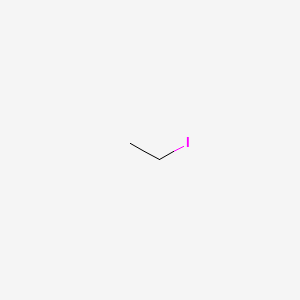
Ethyl iodide (C2H5I) is a clear, colorless, dense liquid with a density of about 1.93 g/mL. It boils at about 72°C and darkens on exposure to light as small amounts of iodine form, so producers often stabilize it with copper.
Chemists use it to attach ethyl groups to oxygen, nitrogen, sulfur and carbon atoms, for example to make ethyl ethers, esters, quaternary ammonium salts and pharmaceutical intermediates. Because iodide is an excellent leaving group, it reacts faster than ethyl bromide or chloride. Similarly, laboratories use it in research synthesis.
Furthermore, other alkylating and reactive reagents in our range include Methanesulfonyl Chloride and Bromoacetyl Bromide; for an iodide salt, see Copper(I) iodide.
Key Applications of Ethyl Iodide
Typical uses include, for example:
💊 Pharmaceutical Synthesis
Ethylation for API intermediates.
🧪 Fine Chemicals
Reagent for ethers, esters as well as quaternary salts.
🔬 Laboratory
Reactive ethylating agent for research.
⚗️ Organometallics
Starting material for ethyl metal reagents.
Ethyl Iodide Technical Specifications
| Parameter | Standard Value |
|---|---|
| Product Name | Ethyl Iodide (Iodoethane) |
| CAS Number | 75-03-6 |
| Molecular Formula / Weight | C2H5I / 155.97 g/mol |
| Purity | Reagent Grade (Min. 99%) |
| Density | 1.93 g/mL at 25°C |
| Appearance | Clear liquid (may darken upon exposure to light) |
| Documents | CoA as well as SDS with every lot |
⚠️ Safety & Handling: Harmful if swallowed or inhaled, causes skin and eye irritation, may cause allergic skin reactions, and is suspected of causing genetic defects. Work in a fume hood and also wear chemical-resistant gloves and eye protection. Store in tightly closed, light-resistant containers in a cool place, because light decomposes it. Always consult the Safety Data Sheet (SDS), because it contains the full classification and handling instructions.
Frequently Asked Questions
Why does it turn brown?
Light decomposes small amounts into iodine, which colors the liquid; stabilization with copper as well as dark storage slow this.
How does it compare with ethyl bromide?
It reacts faster, because iodide is a better leaving group, whereas ethyl bromide costs less.
How can I get a price and documents?
Prices depend on quantity, packaging and destination, so please contact us with your required volume. We then send a quotation together with the CoA and SDS.