D-Phenothrin
Technical-grade d-Phenothrin (Sumithrin, CAS 26002-80-2), 92–95%, supplied wholesale by Zyntex. Synthetic pyrethroid for household aerosols, public health sprays, aircraft disinsection and pet care products. CoA and SDS with every lot.
Description
d-Phenothrin Product Overview
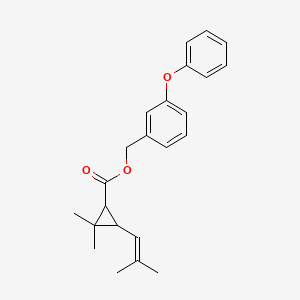
d-Phenothrin is the 3-phenoxybenzyl ester of chrysanthemic acid, enriched in the insecticidally active (1R)-isomers. It is a pale yellow to yellow-brown viscous liquid that is practically insoluble in water and mixes easily with hydrocarbon solvents. Its strong knockdown of flying insects and low toxicity to mammals make it a standard active ingredient in aerosols.
Formulators use it in household aerosols against flies and mosquitoes, in public health space sprays, in aircraft disinsection products, and in pet shampoos and sprays. It is often combined with Piperonyl butoxide (PBO) as a synergist and with fast-knockdown pyrethroids such as Tetramethrin or Prallethrin.
It differs from (1R)-trans-Phenothrin, which is enriched in the trans isomer and has its own CAS number and regulatory status. Registration rules for insecticide products depend on the country, so formulators should check the approval status for their market.
Key Applications of d-Phenothrin
Main application areas:
🦟 Household Aerosols
Active ingredient in fly and mosquito sprays.
🏙️ Public Health
Space sprays and vector control products.
✈️ Aircraft Disinsection
Insecticide for aircraft cabin treatments.
🐕 Pet Care
Active ingredient in pet shampoos and sprays.
d-Phenothrin Technical Specifications
| Parameter | Standard Value |
|---|---|
| Product Name | d-Phenothrin (Sumithrin) |
| CAS Number | 26002-80-2 |
| Molecular Formula / Weight | C23H26O3 / 350.45 g/mol |
| Assay / Purity (GC) | Min 92.0% – 95.0% (Total Isomers Basis) |
| Appearance | Pale yellow to yellow-brown viscous liquid |
| Density (20°C) | 1.058 – 1.065 g/cm³ |
| Solubility | Practically insoluble in water; miscible in hexane, xylene, and acetone |
| Documents | CoA and SDS with every lot |
⚠️ Safety & Handling: Very toxic to aquatic life with long-lasting effects; prevent any release to drains, waterways and the environment. Avoid contact with skin and eyes and inhalation of vapors or mists. Wear chemical-resistant gloves and eye protection. Store in tightly closed original containers in a cool, dark place, away from food and feed. Always consult the Safety Data Sheet (SDS) for full classification and handling instructions.
Frequently Asked Questions
How does it differ from (1R)-trans-phenothrin?
Both are phenothrin isomer mixtures. d-Phenothrin contains the active (1R)-cis and trans isomers, while (1R)-trans-phenothrin is enriched in the trans isomer. They have different CAS numbers and regulatory listings.
Which synergist is used with it?
Piperonyl butoxide (PBO) is the most common synergist, and it is often combined with tetramethrin or prallethrin for faster knockdown.
How can I get a price and documents?
Prices depend on quantity, packaging and destination. Contact us with your required volume to receive a quotation together with the CoA and SDS.