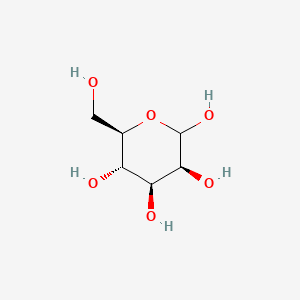
D-Mannose
High-purity D-Mannose (CAS 3458-28-4), ≥99.0% HPLC, supplied wholesale by Zyntex. Natural monosaccharide for nutritional products, pharmaceutical carbohydrate synthesis and cell culture media. CoA and SDS with every lot.
Description
D-Mannose Product Overview
D-Mannose (C6H12O6) is a monosaccharide and a close relative of glucose; the two differ only in the orientation of one hydroxyl group. It is a white crystalline powder with a mildly sweet taste and dissolves easily in water. Cranberries, apples and some other fruits contain small amounts naturally.
The commercial grade is mainly produced from plant materials such as birch or corn by hydrolysis and conversion, followed by purification and crystallization. Producers of nutritional products use it in powders, capsules and drink mixes, where regulations in each market govern which claims are allowed.
Pharmaceutical and biotech companies also use it as a building block in carbohydrate chemistry and as a component of cell culture media. For other sugar-based ingredients, see Xylitol and D-Glucosamine HCl.
Key Applications of D-Mannose
Main application areas:
🥤 Nutritional Products
Ingredient in powders, capsules and drink mixes.
💊 Pharmaceutical Synthesis
Building block in carbohydrate chemistry.
🧫 Cell Culture
Carbohydrate source in cell culture media.
🔬 Research
Reference sugar for biochemical research.
D-Mannose Technical Specifications
| Parameter | Standard Value |
|---|---|
| Product Name | D-Mannose |
| CAS Number | 3458-28-4 |
| Molecular Formula / Weight | C6H12O6 / 180.16 g/mol |
| Assay / Purity (HPLC) | ≥ 99.0% (On Anhydrous Basis) |
| Appearance | White crystalline powder with a sweet flavor profile |
| Melting Point | Approx. 130 – 133 °C |
| Loss on Drying | ≤ 0.5% |
| Documents | CoA and SDS with every lot |
⚠️ Safety & Handling: Not classified as hazardous under GHS. Avoid dust formation and contact with eyes. Store in tightly closed containers in a cool, dry place, as the powder can absorb moisture. Always consult the Safety Data Sheet (SDS) for full classification and handling instructions.
Frequently Asked Questions
What is the difference between D-mannose and glucose?
Both are six-carbon sugars with the same formula. They differ in the position of one hydroxyl group, which gives them different properties and roles.
Which purity do you supply?
Purity of at least 99.0% by HPLC on an anhydrous basis, suitable for nutritional, pharmaceutical and research applications.
How can I get a price and documents?
Prices depend on quantity, packaging and destination. Contact us with your required volume to receive a quotation together with the CoA and SDS.