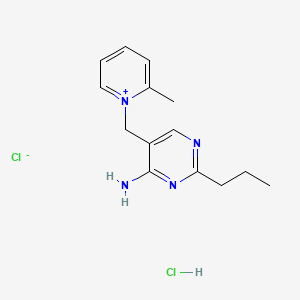
Amprolium Hydrochloride
Veterinary-grade Amprolium Hydrochloride (CAS 137-88-2), 98–101%, supplied wholesale by Zyntex to licensed producers. Water-soluble anticoccidial API for poultry drinking water products and calves. CoA and SDS with every lot.
Description
Amprolium Hydrochloride Product Overview
Amprolium hydrochloride (C14H19ClN4·HCl) is a white to off-white crystalline powder that dissolves freely in water. Its structure resembles thiamine (vitamin B1), and it works by blocking thiamine uptake by coccidia parasites.
In addition, veterinary producers use it in water-soluble powders and solutions for drinking water treatment of coccidiosis in chickens and turkeys, and in oral products for calves. It sometimes pairs with other anticoccidials or sulfonamides such as Sulfadimidine. Because of its mode of action, high levels of Vitamin B1 Thiamine Hydrochloride in feed can reduce its effect.
Notably, other anticoccidial APIs in our range include Diclazuril. Zyntex supplies amprolium only to companies licensed for veterinary use, and treated animals are subject to withdrawal periods set by the product authorization.
Key Applications of Amprolium Hydrochloride
Typical uses include, for example:
🐔 Poultry
Drinking water treatment of coccidiosis in chickens as well as turkeys.
🐄 Calves
Oral products for calves.
🔗 Combination Products
Combined with other anticoccidials where authorized.
🔬 Generic Development
Development as well as reference material.
Amprolium Hydrochloride Technical Specifications
| Parameter | Standard Value |
|---|---|
| Product Name | Amprolium Hydrochloride |
| CAS Number | 137-88-2 |
| Molecular Formula / Weight | C14H19ClN4·HCl / 315.24 g/mol |
| Assay / Purity (HPLC) | Min 98.0% to 101.0% (Dry Basis) |
| Appearance | White to off-white crystalline powder |
| Loss on Drying | Max 1.0% |
| Solubility | Freely soluble in water and methanol; sparingly soluble in ethanol |
| Documents | CoA as well as SDS with every lot |
⚠️ Safety & Handling: Pharmacologically active substance; avoid inhalation of dust and contact with skin and eyes. Wear gloves, eye protection and dust protection. Store in tightly closed containers in a cool, dry place, so that the material stays in good condition. Always consult the Safety Data Sheet (SDS), because it contains the full classification and handling instructions.
Frequently Asked Questions
How does amprolium work?
It is a thiamine analogue that blocks the uptake of thiamine by coccidia, which the parasites need to grow.
Who can purchase this API?
It goes only to veterinary pharmaceutical companies holding the licenses required for API purchase as well as use.
How can I get a price and documents?
Prices depend on quantity, packaging and destination, so please contact us with your required volume. We then send a quotation together with the CoA and SDS.