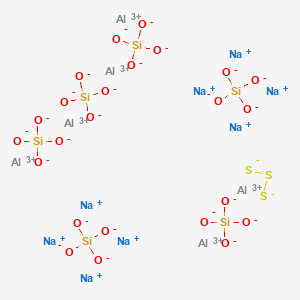
Ultramarine Blue
Ultramarine Blue (Pigment Blue 29, CI 77007, CAS 57455-37-5), heat stable to 300°C, supplied wholesale by Zyntex. Inorganic blue pigment for plastics, coatings, cosmetics, detergents and paper. CoA and SDS.
Description
Ultramarine Blue Product Overview
Ultramarine blue is a sodium aluminium sulfosilicate with a brilliant, slightly reddish blue shade. It is a fine powder that is insoluble in water, heat stable up to about 300°C and resistant to light and alkali, whereas acids decompose it.
In addition, plastics and masterbatch producers use it to color polyolefins and PVC, and to neutralize the yellow tint of white products. Similarly, coating and printing ink producers use it in decorative paints and inks, and cosmetic formulators use it as the colorant CI 77007 in eye shadows and soaps. Detergent and paper producers also use it as a bluing agent that makes whites look whiter.
Because it is non-toxic and heat stable, it suits food-contact plastics within regulatory limits. Other pigments in our range also include Titanium dioxide and Bismuth (III) oxychloride.
Key Applications of Ultramarine Blue
Typical uses include, for example:
🏭 Plastics
Blue colorant as well as whitening for polymers.
🎨 Coatings and Inks
Pigment for paints as well as printing inks.
💄 Cosmetics
Colorant CI 77007.
🧺 Detergents and Paper
Bluing agent for whiter whites.
Ultramarine Blue Technical Specifications
| Parameter | Standard Value |
|---|---|
| Product Name | Ultramarine Blue (Pigment Blue 29) |
| CAS Number | 57455-37-5 |
| Color Index | PB 29 / CI 77007 |
| Heat Stability | 300°C |
| Oil Absorption | 25 – 40 g/100g |
| Documents | CoA as well as SDS with every lot |
⚠️ Safety & Handling: Not classified as hazardous under GHS; contact with acids releases small amounts of hydrogen sulfide. Avoid dust formation and contact with acids, and also wear dust protection. Store in tightly closed bags in a dry place. Always consult the Safety Data Sheet (SDS), because it contains the full classification and handling instructions.
Frequently Asked Questions
Why is ultramarine blue added to white plastics?
Because a small amount neutralizes yellow tints, white products look brighter and cleaner.
Is ultramarine blue acid resistant?
No. Acids decompose it, whereas it is stable to alkali, light and heat.
How can I get a price and documents?
Prices depend on quantity, packaging and destination, so please contact us with your required volume. We then send a quotation together with the CoA and SDS.