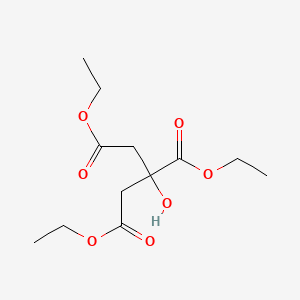
Triethyl Citrate
Pharmaceutical- and food-grade Triethyl Citrate (TEC, CAS 77-93-0, E1505) supplied wholesale by Zyntex. Phthalate-free plasticizer for enteric tablet coatings, food foam stabilizer, deodorant active and polymer plasticizer. CoA and SDS.
Description
Triethyl Citrate Product Overview
Triethyl citrate (C12H20O7) is a clear, colorless to pale yellow, almost odorless liquid that mixes with alcohols and dissolves partly in water. Because producers make it from citric acid and ethanol, it is a bio-based, phthalate-free plasticizer.
Pharmaceutical companies use it as the standard plasticizer in film coatings, especially for enteric and sustained-release coatings based on methacrylate copolymers and ethylcellulose. Similarly, food producers use it as a foam stabilizer for dried egg white and as a carrier for flavors (E1505). Cosmetic formulators also use it in deodorants, because it inhibits the enzymes that cause odor, and in nail polish.
In addition, polymer producers use it as a plasticizer for cellulose acetate and other polymers that need a non-toxic, phthalate-free alternative. Related raw materials in our range also include Citric Acid Anhydrous and Ethanol.
Key Applications of Triethyl Citrate
Typical uses include, for example:
💊 Pharmaceutical Coatings
Plasticizer for enteric as well as sustained-release films.
🍳 Food
Foam stabilizer as well as flavor carrier (E1505).
🧴 Cosmetics
Deodorant active as well as nail polish plasticizer.
🏭 Polymers
Phthalate-free plasticizer for cellulose acetate.
Triethyl Citrate Technical Specifications
| Parameter | Standard Value |
|---|---|
| Product Name | Triethyl Citrate |
| CAS Number | 77-93-0 |
| E Number | E1505 |
| Molecular Formula / Weight | C12H20O7 / 276.28 g/mol |
| Typical Form | Colorless to pale yellow liquid |
| Grades | Pharmaceutical (USP/EP) and food grade |
| Documents | CoA as well as SDS with every lot |
⚠️ Safety & Handling: Low hazard; may cause mild eye irritation. Avoid contact with eyes and also wear gloves and eye protection when handling large quantities. Store in tightly closed containers in a cool, dry place. Always consult the Safety Data Sheet (SDS), because it contains the full classification and handling instructions.
Frequently Asked Questions
Why is triethyl citrate used in enteric coatings?
Because it makes methacrylate and cellulose films flexible, coatings do not crack and protect the tablet core in the stomach.
Is triethyl citrate phthalate-free?
Yes. It comes from citric acid and ethanol, so it serves as a phthalate-free plasticizer.
How can I get a price and documents?
Prices depend on quantity, packaging and destination, so please contact us with your required volume. We then send a quotation together with the CoA and SDS.