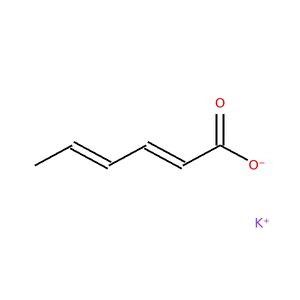
Potassium Sorbate
Food-grade Potassium Sorbate (E202, CAS 24634-61-5), 98–101%, granules, beads and powder, supplied wholesale by Zyntex. Preservative against yeasts and molds for cheese, bakery, wine, beverages, cosmetics and syrups. CoA and SDS.
Description
Potassium Sorbate Product Overview
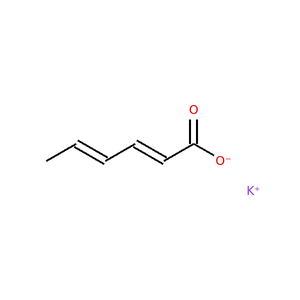
Potassium sorbate (C6H7KO2) is the potassium salt of sorbic acid. It is supplied as white to light yellow granules, beads or powder that dissolve very easily in water. It works best in acidic products up to about pH 6.5, which is a wider range than Sodium Benzoate.
In addition, food and beverage producers use it in cheese, baked goods, wine, soft drinks, sauces, dried fruit and fillings, within the limits set by food regulations. Similarly, winemakers use it to prevent re-fermentation in sweet wines, cosmetic formulators use it in water-based creams and lotions, and pharmaceutical companies use it as a preservative in syrups and oral liquids.
Because it is mainly active against yeasts and molds, producers often combine it with Sodium Benzoate for broader protection. Related food ingredients in our range include Citric Acid Anhydrous and Benzoic Acid.
Key Applications of Potassium Sorbate
Typical uses include, for example:
🧀 Dairy and Bakery
Mold protection in cheese and baked goods.
🍷 Wine and Beverages
Prevents re-fermentation.
🧴 Cosmetics
Preservative in creams and lotions.
💊 Pharmaceuticals
Preservative in syrups.
Potassium Sorbate Technical Specifications
| Parameter | Standard Value |
|---|---|
| Product Name | Potassium Sorbate |
| CAS Number | 24634-61-5 |
| E Number | E202 |
| Molecular Formula / Weight | C6H7KO2 / 150.22 g/mol |
| Assay | 98.0% – 101.0% (dried basis) |
| Forms | Granules, beads and powder |
| Documents | CoA and SDS with every lot |
⚠️ Safety & Handling: May cause eye irritation. Avoid dust formation and contact with eyes, and also wear eye protection. Store in tightly closed, light-resistant bags in a cool, dry place. Always consult the Safety Data Sheet (SDS), because it contains the full classification and handling instructions.
Frequently Asked Questions
What is the difference between potassium sorbate and sodium benzoate?
Potassium sorbate works mainly against yeasts and molds up to about pH 6.5, whereas sodium benzoate needs a lower pH; producers often combine them.
Which form should I choose?
Granules and beads flow well and produce less dust, whereas powder dissolves fastest.
How can I get a price and documents?
Prices depend on quantity, packaging and destination, so please contact us with your required volume. We then send a quotation together with the CoA and SDS.