Potassium Iodate
FCC/USP-grade Potassium Iodate (CAS 7758-05-6), 99–100.5%, ~59.3% iodine, supplied wholesale by Zyntex. Stable iodine source for salt iodization, primary analytical standard and feed and baking uses where permitted. CoA and SDS.
Description
Potassium Iodate Product Overview
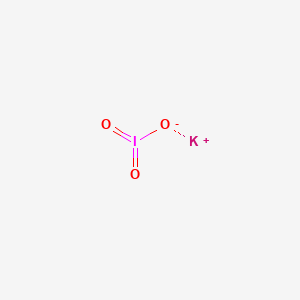
Potassium iodate (KIO3) is a white crystalline powder that dissolves moderately in water and contains about 59.3% iodine. It is an oxidizer and remains much more stable than potassium iodide under heat and humidity.
For this reason, the WHO recommends potassium iodate for iodizing salt, especially in hot and humid climates, and many national salt iodization programs use it. Similarly, analytical laboratories use high-purity potassium iodate as a primary standard in iodometric titrations. In some markets, it also serves as a dough conditioner and as an iodine source in feed, within the limits set by regulations.
Furthermore, for feed premixes, Calcium iodate is a common alternative. Other iodine-related products in our range also include Copper(I) iodide.
Key Applications of Potassium Iodate
Typical uses include, for example:
🧂 Salt Iodization
Stable iodine source for iodized salt.
🔬 Analytical Standard
Primary standard for iodometric titrations.
🐄 Animal Feed
Iodine source where permitted.
🍞 Baking
Dough conditioner where permitted.
Potassium Iodate Technical Specifications
| Parameter | Standard Value |
|---|---|
| Product Name | Potassium Iodate |
| CAS Number | 7758-05-6 |
| Molecular Formula / Weight | KIO3 / 214.00 g/mol |
| Assay / Purity | Min. 99.0% – 100.5% (FCC/USP) |
| Iodine Content | ~59.3% |
| Documents | CoA as well as SDS with every lot |
⚠️ Safety & Handling: Oxidizing solid that may intensify fire; may cause skin and eye irritation. Keep away from combustible materials and also wear gloves and eye protection. Store in tightly closed containers in a cool, dry place. Always consult the Safety Data Sheet (SDS), because it contains the full classification and handling instructions.
Frequently Asked Questions
Why is it preferred for salt iodization?
Because it stays stable in heat and humidity, iodized salt keeps its iodine content longer than with potassium iodide.
Can it serve as an analytical standard?
Yes. High-purity grades serve as primary standards in iodometric titrations.
How can I get a price and documents?
Prices depend on quantity, packaging and destination, so please contact us with your required volume. We then send a quotation together with the CoA and SDS.