Nickel(II) Oxide Black
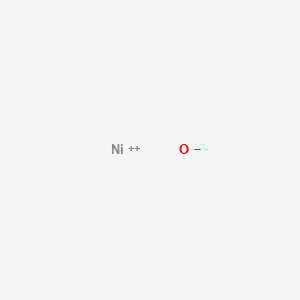
Black Nickel(II) Oxide (CAS 1313-99-1), 75–77% Ni, supplied wholesale by Zyntex for professional use. Reactive nickel source for catalysts, ceramic colorants, nickel-zinc ferrites and SOFC anodes. CoA and SDS with every lot.
Description
Nickel(II) Oxide Black Product Overview
Black nickel oxide is a slightly non-stoichiometric form of NiO with about 75–77% nickel. It is a fine black to dark grey powder that is insoluble in water but dissolves more easily in acids than the green, high-temperature form, which makes it more reactive in chemical processes.
Catalyst producers use it as a precursor for nickel hydrogenation and reforming catalysts, because acids and reduction convert it readily. Similarly, ceramic and glass producers use it as a colorant for grey, brown and green tones, while electronic component producers use it for nickel-zinc ferrites. In solid oxide fuel cells, nickel oxide mixed with stabilized zirconia forms the anode, often with Yttrium (III) oxide.
Because nickel oxide counts in the EU as a carcinogen by inhalation, Zyntex therefore supplies it only for professional use. Related nickel compounds in our range also include Nickel Sulfate and Nickel(II) chloride anhydrous, and the cobalt analogue Cobalt(II) oxide.
Key Applications of Nickel(II) Oxide Black
Typical uses include, for example:
⚗️ Catalysts
Precursor for hydrogenation as well as reforming catalysts.
🏺 Ceramics and Glass
Colorant for grey, brown as well as green tones.
🔌 Ferrites
Raw material for nickel-zinc ferrites.
🔋 Fuel Cells
Anode material for solid oxide fuel cells.
Nickel(II) Oxide Black Technical Specifications
| Parameter | Standard Value |
|---|---|
| Product Name | Nickel(II) Oxide (Black/Grey) |
| CAS Number | 1313-99-1 |
| Nickel Content | Min. 75% – 77% |
| Appearance | Fine black to dark grey powder |
| Documents | CoA as well as SDS with every lot |
⚠️ Safety & Handling: May cause cancer by inhalation, may cause allergic skin reactions, and causes damage to organs through prolonged exposure; may cause long-lasting harmful effects to aquatic life. For professional use only, so avoid dust formation and also wear respiratory protection, gloves and protective clothing. Store locked in tightly closed containers. Always consult the Safety Data Sheet (SDS), because it contains the full classification and handling instructions.
Frequently Asked Questions
What is the difference between black and green nickel oxide?
Black nickel oxide is more reactive and dissolves more easily in acids, whereas green nickel oxide is a denser, high-temperature form used mainly in ceramics.
Who can purchase nickel oxide?
Only professional industrial users, because nickel oxide counts as a carcinogen by inhalation.
How can I get a price and documents?
Prices depend on quantity, packaging and destination, so please contact us with your required volume. We then send a quotation together with the CoA and SDS.