Formic Acid
Formic Acid (CAS 64-18-6) in 85% to 99% concentrations, supplied wholesale by Zyntex. For silage preservation, feed acidification, leather tanning, textile dyeing and latex coagulation. CoA and SDS with every lot.
Description
Formic Acid Product Overview
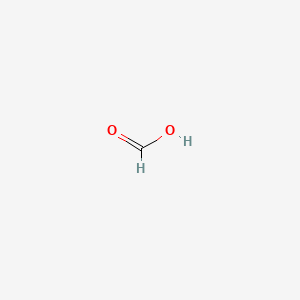
Formic acid (HCOOH) is a clear, colorless liquid with a sharp, pungent odor. It mixes completely with water and is a stronger acid than Acetic acid. Commercial grades range from 85% to 99% concentration, depending on the application.
Agriculture is a major market: farmers use it to preserve silage, and feed producers add it as an acidifier to control bacteria in feed. Leather tanneries use it for pickling and for fixing dyes, and textile mills use it to adjust pH in dyeing. In natural rubber production, formic acid coagulates latex.
It also serves as a raw material for formate salts, which are used in de-icing, drilling fluids and as feed additives. Other uses include descaling and cleaning, and beekeepers use it to control varroa mites. For milder organic acids, see Lactic acid and Citric Acid Anhydrous.
Key Applications of Formic Acid
Main application areas:
🐄 Feed and Silage
Silage preservative and feed acidifier.
👞 Leather
Pickling and dye fixing in leather tanning.
👕 Textiles
pH control in textile dyeing and finishing.
🌳 Rubber
Coagulant for natural rubber latex.
Formic Acid Technical Specifications
| Parameter | Standard Value |
|---|---|
| Product Name | Formic Acid |
| CAS Number | 64-18-6 |
| EC Number | 200-579-1 |
| Molecular Formula / Weight | HCOOH / 46.03 g/mol |
| Assay / Purity | Min 85% – 99% |
| Appearance | Colorless liquid |
| Documents | CoA and SDS with every lot |
⚠️ Safety & Handling: Flammable liquid and vapor. Toxic if inhaled, harmful if swallowed, and causes severe skin burns and eye damage. Work with good ventilation, and wear acid-resistant gloves, a face shield and protective clothing. Store in tightly closed, acid-resistant containers in a cool, ventilated area, away from oxidizers and bases. Always consult the Safety Data Sheet (SDS) for full classification and handling instructions.
Frequently Asked Questions
Which concentrations do you supply?
It is available in concentrations from 85% to 99%. Higher concentrations are preferred for chemical synthesis, while 85% is common in feed, leather and textiles.
What is the difference between formic acid and acetic acid?
Both are carboxylic acids, but formic acid is stronger and has a reducing character. It is therefore more effective in silage preservation and leather processing.
How can I get a price and documents?
Prices depend on quantity, packaging and destination. Contact us with your required volume to receive a quotation together with the CoA and SDS.