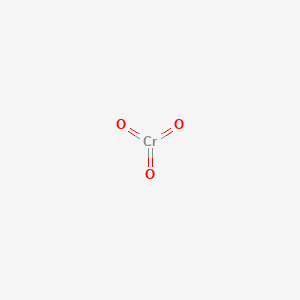
Chromic Acid
Chromic Acid (chromium trioxide, CrO3, CAS 1333-82-0), min. 99.7%, supplied wholesale by Zyntex to authorized industrial users only. For hard and decorative chrome plating and conversion coatings under REACH authorization. CoA and SDS.
Description
Chromic Acid Product Overview
Chromium trioxide (CrO3), commonly called chromic acid, forms dark red to purple, deliquescent flakes that dissolve very easily in water. It melts at about 197°C and is a very strong oxidizer.
Its main use is in hard chrome plating, which produces wear-resistant chromium layers on hydraulic rods, rolls and tools, and in decorative chrome plating. It is also used in chromate conversion coatings, in the production of other chromium compounds and in some wood preservatives. For decorative applications, trivalent chromium processes based on Chromium (III) sulfate hydrate are a safer alternative.
Hexavalent chromium is a proven human carcinogen. In the EU, chromium trioxide is on Annex XIV of REACH, so it may only be used under specific authorization, and similar restrictions apply in many other countries. Zyntex therefore supplies it only to verified industrial users who hold the required authorizations.
Key Applications of Chromic Acid
Main application areas:
🔩 Hard Chrome Plating
Chromium source for wear-resistant coatings.
✨ Decorative Plating
Chromium source for decorative chrome where authorized.
🛡️ Conversion Coatings
Chromate treatments for corrosion protection.
🧪 Chemical Production
Raw material for other chromium compounds.
Chromic Acid Technical Specifications
| Parameter | Standard Value |
|---|---|
| Product Name | Chromic Acid (Chromium Trioxide) |
| CAS Number | 1333-82-0 |
| EC Number | 215-607-8 |
| Molecular Formula / Weight | CrO3 / 99.99 g/mol |
| Assay / Purity (CrO3) | Min 99.7% |
| Appearance | Dark red to purple deliquescent flakes |
| Melting Point | Approx. 197 °C |
| Sulfate Content | Max 0.15% |
| Documents | CoA and SDS with every lot |
⚠️ Safety & Handling: May cause cancer and genetic defects; suspected of damaging fertility; fatal if inhaled; toxic if swallowed or in contact with skin; causes severe skin burns and eye damage; may cause allergic reactions; strong oxidizer that may cause fire; very toxic to aquatic life. For authorized professional use only in closed systems with full protective equipment and respiratory protection. Store locked, away from combustible materials. Always consult the Safety Data Sheet (SDS) for full classification and handling instructions.
Frequently Asked Questions
Can chromic acid be used freely in the EU?
No. Chromium trioxide is on REACH Annex XIV and may only be used under a specific authorization. Buyers must hold or be covered by the relevant authorization.
Is there an alternative for decorative chrome plating?
Yes. Trivalent chromium processes based on chromium(III) salts are widely used for decorative plating and avoid hexavalent chromium.
How can I get a price and documents?
Prices depend on quantity, packaging and destination. Contact us with your required volume to receive a quotation together with the CoA and SDS.