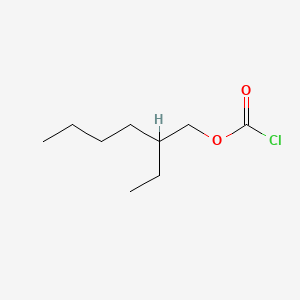
2-Ethylhexyl Chloroformate
2-Ethylhexyl Chloroformate (EHCF, CAS 24468-13-1), ≥98.5%, supplied wholesale by Zyntex. Reactive chloroformate for PVC peroxydicarbonate initiators and carbamate and carbonate intermediates. CoA and SDS with every lot.
Description
2-Ethylhexyl Chloroformate Product Overview
2-Ethylhexyl chloroformate (C9H17ClO2) is a clear, colorless liquid with a pungent odor. Producers make it from 2-ethylhexanol and phosgene. It reacts with water, alcohols and amines.
Its main use is the production of di(2-ethylhexyl) peroxydicarbonate, a low-temperature radical initiator for the suspension polymerization of vinyl chloride to PVC. Chemists also use it to introduce the 2-ethylhexyloxycarbonyl group, forming carbonates with alcohols and carbamates with amines for pharmaceutical, agrochemical and specialty chemical intermediates.
Related chloroformates in our range include 4-Nitrophenyl chloroformate and n-Pentyl chloroformate; for a non-chlorinated carbonate reagent, see Dimethyl carbonate.
Key Applications of 2-Ethylhexyl Chloroformate
Main application areas:
🏭 PVC Initiators
Raw material for peroxydicarbonate initiators.
💊 Pharmaceutical Intermediates
Reagent for carbamates and carbonates.
🌱 Agrochemicals
Building block for crop protection intermediates.
🧪 Specialty Chemicals
Introduction of the 2-ethylhexyloxycarbonyl group.
2-Ethylhexyl Chloroformate Technical Specifications
| Parameter | Standard Value |
|---|---|
| Product Name | 2-Ethylhexyl Chloroformate |
| CAS Number | 24468-13-1 |
| EC Number | 246-271-1 |
| Molecular Formula / Weight | C9H17ClO2 / 192.68 g/mol |
| Assay (Purity) | ≥ 98.5% |
| Appearance | Clear, colorless liquid |
| Documents | CoA and SDS with every lot |
⚠️ Safety & Handling: Toxic if inhaled, harmful if swallowed, and causes severe skin burns and eye damage; reacts with water releasing hydrogen chloride. Handle only in closed systems or fume hoods with chemical-resistant gloves, face protection and respiratory protection. Store in tightly closed containers in a cool, dry place, away from water, alcohols, amines and bases. Always consult the Safety Data Sheet (SDS) for full classification and handling instructions.
Frequently Asked Questions
What is 2-ethylhexyl chloroformate mainly used for?
Its main use is to make di(2-ethylhexyl) peroxydicarbonate, an initiator for PVC production, and carbamate and carbonate intermediates.
How should it be stored?
Keep it cool and dry in tightly closed containers, away from moisture, which hydrolyzes it to hydrogen chloride and carbon dioxide.
How can I get a price and documents?
Prices depend on quantity, packaging and destination. Contact us with your required volume to receive a quotation together with the CoA and SDS.