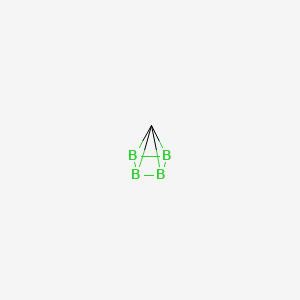
Boron Carbide
Boron Carbide powders (B4C, CAS 12069-32-8) in grit sizes from coarse to fine micron, supplied wholesale by Zyntex. Ultra-hard, lightweight ceramic for armor, abrasives, wear parts and nuclear neutron absorbers. CoA and SDS.
Description
Boron Carbide Product Overview
Boron carbide (B4C) is a black to dark grey powder with a Knoop hardness of about 2,900–3,500 kg/mm², which places it after diamond and cubic boron nitride. At the same time, its density of only 2.52 g/cm³ makes it remarkably light.
In addition, armor producers hot-press boron carbide into lightweight ceramic plates for personal and vehicle protection. Similarly, it serves as an abrasive for lapping and polishing hard materials, and as a raw material for sandblasting nozzles, wear parts and cutting tools. In nuclear engineering, its high boron content makes it an efficient neutron absorber in control rods and shielding.
Grit sizes range from coarse grains to fine powders, so buyers should specify particle size for each application. Related advanced ceramics in our range also include Boron nitride, Silicon Carbide and Titanium Carbide.
Key Applications of Boron Carbide
Typical uses include, for example:
🛡️ Armor
Raw material for lightweight ceramic plates.
💎 Abrasives
Lapping as well as polishing powder.
🔧 Wear Parts
Nozzles as well as wear-resistant components.
⚛️ Nuclear
Neutron absorber in control rods.
Boron Carbide Technical Specifications
| Parameter | Standard Value |
|---|---|
| Product Name | Boron Carbide (B4C) |
| CAS Number | 12069-32-8 |
| Hardness (Knoop) | ~ 2900 – 3500 kg/mm² |
| Density | 2.52 g/cm³ |
| Appearance | Black to dark grey powder |
| Documents | CoA as well as SDS with every lot |
⚠️ Safety & Handling: Not classified as hazardous under GHS, but fine dust may irritate the respiratory tract and eyes. Avoid dust formation and also wear dust protection and eye protection. Store in tightly closed containers in a dry place. Always consult the Safety Data Sheet (SDS), because it contains the full classification and handling instructions.
Frequently Asked Questions
Why is boron carbide used for armor?
Because it combines extreme hardness with very low density, it stops projectiles at a lower weight than most other ceramics.
Which particle sizes do you supply?
Grit sizes from coarse grains to fine micron powders are available, so please specify the size for your application.
How can I get a price and documents?
Prices depend on quantity, packaging and destination, so please contact us with your required volume. We then send a quotation together with the CoA and SDS.