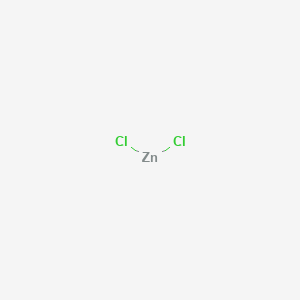
Zinc Chloride
Zinc Chloride (CAS 7646-85-7) with min. 98.0% purity, supplied wholesale by Zyntex. Hygroscopic zinc salt for soldering and galvanizing fluxes, zinc electroplating, batteries and chemical synthesis. CoA and SDS with every lot.
Description
Zinc Chloride Product Overview
Zinc chloride (ZnCl2) is a white, strongly hygroscopic powder that dissolves very easily in water and alcohols. It absorbs moisture from the air until it turns into a liquid, so it must be kept in sealed packaging. Its aqueous solutions are acidic.
It is a key ingredient in soldering and hot-dip galvanizing fluxes, where it removes oxide layers from metal surfaces. In fluxes it is often combined with Ammonium chloride. It is also used in acid zinc electroplating baths and as an electrolyte component in zinc-carbon dry-cell batteries.
In chemical synthesis, it acts as a Lewis acid catalyst and dehydrating agent. It is also used to activate carbon during the production of activated carbon and in some wood preservation and textile processes. For other zinc applications, Zinc sulfate and Zinc oxide are common alternatives.
Key Applications of Zinc Chloride
Main application areas:
🔧 Metal Fluxes
Main component of soldering and hot-dip galvanizing fluxes.
⚡ Electroplating and Batteries
Used in acid zinc plating baths and zinc-carbon battery electrolytes.
🧪 Chemical Synthesis
Lewis acid catalyst and dehydrating agent in organic reactions.
🏭 Activated Carbon
Activating agent in the production of activated carbon.
Zinc Chloride Technical Specifications
| Parameter | Standard Value |
|---|---|
| Product Name | Zinc Chloride |
| CAS Number | 7646-85-7 |
| EC Number | 231-592-0 |
| Molecular Formula / Weight | ZnCl2 / 136.29 g/mol |
| Appearance | White, deliquescent powder |
| Assay / Purity | Min 98.0% |
| Documents | CoA and SDS with every lot |
⚠️ Safety & Handling: Corrosive: causes severe skin burns and eye damage, and is harmful if swallowed. Very toxic to aquatic life with long-lasting effects, so prevent release to drains and the environment. Wear chemical-resistant gloves, goggles and protective clothing. Store in tightly closed, corrosion-resistant containers in a dry place, as the product is strongly hygroscopic. Always consult the Safety Data Sheet (SDS) for full classification and handling instructions.
Frequently Asked Questions
Why does zinc chloride turn liquid when exposed to air?
It is deliquescent: it absorbs so much moisture from the air that it dissolves. Always keep containers tightly closed.
What is zinc chloride used for in galvanizing?
It is the main component of fluxes that clean metal surfaces before soldering or hot-dip galvanizing, often combined with ammonium chloride.
How can I get a price and documents?
Prices depend on quantity, packaging and destination. Contact us with your required volume to receive a quotation together with the CoA and SDS.