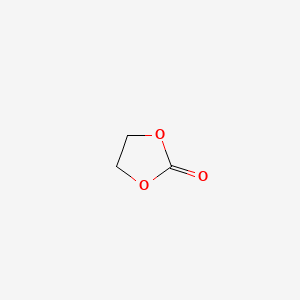
Vinylene Carbonate
Battery-grade Vinylene Carbonate (VC, CAS 872-36-6), min. 99.9%, low water, supplied wholesale by Zyntex. SEI-forming electrolyte additive for lithium-ion cells in EVs, electronics and energy storage. CoA and SDS.
Description
Vinylene Carbonate Product Overview
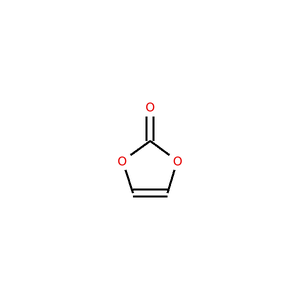
Vinylene carbonate (C3H2O3) is a clear, colorless liquid that melts at about 20°C. It contains a reactive double bond, so it is supplied stabilized, usually with BHT, and stored cold.
In addition, electrolyte producers add it at about 0.5–2% to carbonate electrolytes based on Ethylene Carbonate, Dimethyl Carbonate and Lithium Hexafluorophosphate. During the first charge, it polymerizes on the graphite anode and forms a stable protective layer (SEI), which improves cycle life, especially at higher temperatures. It is often combined with fluoroethylene carbonate (FEC) in silicon-containing anodes.
Notably, battery grades are specified by purity, water content, acidity and color. Related electrolyte materials in our range include Ethyl Methyl Carbonate and Propylene Carbonate.
Key Applications of Vinylene Carbonate
Typical uses include, for example:
🔋 EV Batteries
SEI-forming electrolyte additive.
📱 Consumer Cells
Longer cycle life.
⚡ Energy Storage
High-temperature stability.
🔬 Battery Research
Electrolyte development.
Vinylene Carbonate Technical Specifications
| Parameter | Standard Value |
|---|---|
| Product Name | Vinylene Carbonate (VC) |
| CAS Number | 872-36-6 |
| Molecular Formula / Weight | C3H2O3 / 86.05 g/mol |
| Purity (GC) | Min. 99.9% (battery grade) |
| Water | Max. 50 ppm |
| Stabilizer | BHT, per grade |
| Documents | CoA and SDS with every lot |
⚠️ Safety & Handling: Toxic if swallowed, harmful in contact with skin, causes serious eye damage and may cause skin sensitization. Handle under dry inert gas, and also wear gloves and eye protection. Store refrigerated in tightly closed containers. Always consult the Safety Data Sheet (SDS), because it contains the full classification and handling instructions.
Frequently Asked Questions
How much vinylene carbonate is added to electrolytes?
Typically about 0.5–2% by weight.
Why must it be stored cold?
Because its double bond can slowly polymerize at higher temperatures.
How can I get a price and documents?
We supply flexible quantities, from small orders to large volumes, so you do not need to meet the high minimum orders of large producers. Please contact us with your required volume, and we will send a quotation together with the CoA and SDS.