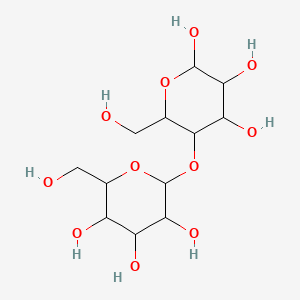
Microcrystalline Cellulose (MCC)
Microcrystalline Cellulose (MCC, CAS 9004-34-6) in pharmaceutical (PH 101, PH 102) and food (E460) grades, supplied wholesale by Zyntex. Tablet binder and filler, suspension stabilizer and food anti-caking agent. CoA and SDS.
Description
Microcrystalline Cellulose Product Overview
Microcrystalline cellulose is produced from high-purity wood pulp by acid hydrolysis, which removes the amorphous regions of cellulose and leaves the crystalline parts. It is a white, odorless, free-flowing powder that is insoluble in water. Grades differ mainly by particle size and moisture, for example PH 101 (about 50 µm) for wet granulation and PH 102 (about 100 µm) for direct compression.
Pharmaceutical companies use MCC as one of the most important tablet excipients: it binds powders into strong tablets at low pressure, acts as a filler and supports disintegration. It is typically combined with lubricants such as Magnesium stearate and fillers such as Lactose Monohydrate. Colloidal MCC co-processed with Sodium CMC stabilizes suspensions.
Food producers use MCC (E460(i)) as an anti-caking agent, texturizer and fat replacer in grated cheese, sauces and baked goods.
Key Applications of Microcrystalline Cellulose
Main application areas:
💊 Tablets
Binder and filler for direct compression and granulation.
💊 Capsules
Filler and spheronization aid for pellets.
🥄 Suspensions
Colloidal grades as suspending agent.
🧀 Food
Anti-caking agent and texturizer (E460).
Microcrystalline Cellulose Technical Specifications
| Parameter | Standard Value |
|---|---|
| Product Name | Microcrystalline Cellulose (MCC) |
| CAS Number | 9004-34-6 |
| E Number | E460(i) |
| Grades | PH 101, PH 102 and others (per particle size) |
| Loss on Drying | ≤ 5.0% |
| pH Value | 5.0 – 7.5 |
| Documents | CoA and SDS with every lot |
⚠️ Safety & Handling: Not classified as hazardous under GHS. Fine dust can form explosive mixtures with air and may irritate the eyes, so avoid dust formation and ignition sources. Store in tightly closed bags in a dry place. Always consult the Safety Data Sheet (SDS) for full classification and handling instructions.
Frequently Asked Questions
What is the difference between PH 101 and PH 102?
PH 101 has finer particles (about 50 µm) and suits wet granulation; PH 102 has coarser particles (about 100 µm) with better flow for direct compression.
Which grades do you supply?
Pharmaceutical grades meeting USP/NF and EP, and food grade E460(i). Please state the grade and particle size.
How can I get a price and documents?
Prices depend on quantity, packaging and destination. Contact us with your required volume to receive a quotation together with the CoA and SDS.