Lithium Iron Phosphate
Battery-grade Lithium Iron Phosphate (LFP, LiFePO4, CAS 15365-14-7), 99.9%, supplied wholesale by Zyntex. Cobalt-free cathode material with 170 mAh/g theoretical capacity for EVs, energy storage and power tools. CoA and SDS.
Description
Lithium Iron Phosphate Product Overview
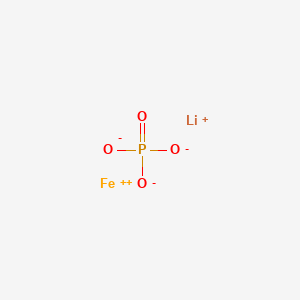
Lithium iron phosphate (LiFePO4) has an olivine crystal structure and is supplied as a gray to black powder, usually coated with a thin layer of carbon to improve its electrical conductivity. It offers a theoretical capacity of about 170 mAh/g at an operating voltage of about 3.2–3.3 V.
Compared with nickel- and cobalt-based cathodes, LFP stores somewhat less energy per kilogram. In return, it offers excellent thermal stability, long cycle life and lower cost, and it contains no cobalt or nickel. These advantages have made it the dominant cathode in stationary energy storage and a major share of electric vehicles, buses and power tools.
Cathode producers make LFP from lithium sources such as Lithium carbonate or Lithium hydroxide together with iron and phosphate precursors. In cells, it pairs with graphite or Lithium Titanate anodes and electrolytes based on salts such as Lithium hexafluorophosphate.
Key Applications of Lithium Iron Phosphate
Main application areas:
🚗 Electric Vehicles
Cathode material for EV and bus batteries.
🔋 Energy Storage
Cathode for stationary and home storage systems.
🔧 Power Tools
Cathode for long-life power tool and e-bike batteries.
🔬 Battery Research
Reference cathode for cell development.
Lithium Iron Phosphate Technical Specifications
| Parameter | Standard Value |
|---|---|
| Product Name | Lithium Iron Phosphate |
| CAS Number | 15365-14-7 |
| Molecular Formula / Weight | LiFePO4 / 157.76 g/mol |
| Standard Purity | 99.9% (Electronic Grade) |
| Theoretical Capacity | 170 mAh/g |
| Nominal Voltage | approx. 3.2–3.3 V vs. Li/Li+ |
| Documents | CoA and SDS with every lot |
⚠️ Safety & Handling: Low acute hazard, but fine powder may irritate the eyes and respiratory tract. Avoid dust formation and wear dust protection, gloves and eye protection. Store in tightly closed containers in a dry place, as moisture affects electrochemical performance. Always consult the Safety Data Sheet (SDS) for full classification and handling instructions.
Frequently Asked Questions
What are the advantages of LFP compared with NMC?
LFP offers better thermal stability, longer cycle life and lower cost, and it contains no cobalt or nickel. NMC offers higher energy density.
Is your LFP carbon-coated?
Battery-grade LFP is typically supplied carbon-coated. Please specify particle size, surface area and carbon content requirements when requesting a quote.
How can I get a price and documents?
Prices depend on quantity, packaging and destination. Contact us with your required volume to receive a quotation together with the CoA and SDS.