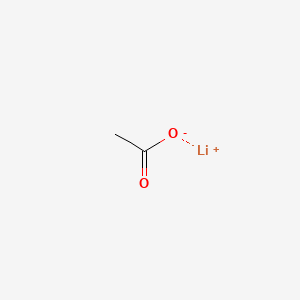
Lithium Acetate
Lithium Acetate (CAS 546-89-4, dihydrate 6108-17-4), ≥99%, supplied wholesale by Zyntex. Lithium salt for yeast transformation, DNA electrophoresis buffers, battery research and polymer catalysis. CoA and SDS with every lot.
Description
Lithium Acetate Product Overview
Lithium acetate (CH3COOLi) is a white crystalline powder that dissolves easily in water. It also comes as the anhydrous salt and, more commonly, as the dihydrate.
Molecular biology laboratories use it in the standard method for transforming yeast cells, because it makes cell walls more permeable to DNA. Similarly, it serves in lithium acetate–borate buffers for fast DNA electrophoresis, and battery researchers use it as a lithium source for electrode materials. It also finds use as a catalyst in some polymer reactions.
Furthermore, other lithium compounds in our range include Lithium chloride, Lithium hydroxide and Lithium carbonate.
Key Applications of Lithium Acetate
Typical uses include, for example:
🧬 Yeast Transformation
Standard reagent in the lithium acetate method.
🔬 Electrophoresis
Component of fast DNA buffers.
🔋 Battery Research
Lithium source for electrode materials.
⚗️ Polymer Chemistry
Catalyst in some polymer reactions.
Lithium Acetate Technical Specifications
| Parameter | Standard Value |
|---|---|
| Product Name | Lithium Acetate (Technical / Laboratory Grade) |
| CAS Number | 546-89-4 / 6108-17-4 (Dihydrate) |
| Molecular Formula | C2H3LiO2 |
| Assay (Purity) | ≥ 99.0% |
| Appearance | White crystalline powder |
| Documents | CoA as well as SDS with every lot |
⚠️ Safety & Handling: Harmful if swallowed and may cause eye irritation. Avoid dust formation and also wear gloves and eye protection. Store in tightly closed containers in a dry place. Always consult the Safety Data Sheet (SDS), because it contains the full classification and handling instructions.
Frequently Asked Questions
Why is it used for yeast transformation?
Because lithium ions make yeast cell walls more permeable, DNA enters the cells more easily.
Which form do you supply?
Both the anhydrous salt as well as the dihydrate are available.
How can I get a price and documents?
Prices depend on quantity, packaging and destination, so please contact us with your required volume. We then send a quotation together with the CoA and SDS.