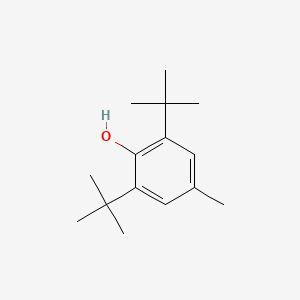
BHT (Butylated Hydroxytoluene)
BHT (Butylated Hydroxytoluene, CAS 128-37-0, E321) supplied wholesale by Zyntex in food and technical grades. Phenolic antioxidant for plastics, rubber, fuels, lubricants, cosmetics and food fats. CoA and SDS with every lot.
Description
BHT (Butylated Hydroxytoluene) Product Overview
Butylated hydroxytoluene (C15H24O) is a white crystalline powder or granule that melts at about 70°C. It does not dissolve in water but dissolves well in oils, fats and organic solvents. In food, it carries the E number E321.
It works by trapping free radicals, which stops the chain reactions that make oils rancid and polymers brittle. Plastics and rubber compounders add it to protect materials during processing and use. Fuel and lubricant producers use it to slow down oxidation and deposit formation, and cosmetic formulators add small amounts to protect oils and fragrances.
In food and feed, regulators allow it within set limits for fats, oils and some processed products. Formulators often combine it with BHA (Butylated Hydroxyanisole) or with synergists such as Citric Acid Anhydrous, and natural alternatives include tocopherols and Ferulic Acid.
Key Applications of BHT (Butylated Hydroxytoluene)
Main application areas:
🏭 Plastics and Rubber
Processing and long-term antioxidant for polymers.
🛢️ Fuels and Lubricants
Oxidation inhibitor in fuels, oils and greases.
🧴 Cosmetics
Protects oils and fragrances in cosmetic formulations.
🥗 Food and Feed
Antioxidant for fats, oils and feed (E321, within limits).
BHT (Butylated Hydroxytoluene) Technical Specifications
| Parameter | Standard Value |
|---|---|
| Product Name | Butylated Hydroxytoluene (BHT) |
| CAS Number | 128-37-0 |
| EC Number | 204-881-4 |
| E Number | E321 |
| Molecular Formula / Weight | C15H24O / 220.35 g/mol |
| Appearance | White crystalline powder or granules |
| Melting Point | approx. 69–71°C |
| Documents | CoA and SDS with every lot |
⚠️ Safety & Handling: Very toxic to aquatic life with long-lasting effects; prevent release to drains and the environment. Dust may irritate the eyes and skin, so wear gloves, eye protection and dust protection. Store in tightly closed containers in a cool, dry place, away from light and strong oxidizers. Always consult the Safety Data Sheet (SDS) for full classification and handling instructions.
Frequently Asked Questions
What is the difference between BHT and BHA?
Both are synthetic phenolic antioxidants. BHT is more stable at high temperatures and widely used in plastics and fuels, while BHA is often preferred in food fats. They are frequently used together.
Do you supply food-grade BHT?
Yes, food-grade material meeting E321 specifications is available alongside technical grade. Please state the grade when requesting a quote.
How can I get a price and documents?
Prices depend on quantity, packaging and destination. Contact us with your required volume to receive a quotation together with the CoA and SDS.