Barium Carbonate
Barium Carbonate (BaCO3, CAS 513-77-9), min. 99%, supplied wholesale by Zyntex for professional use. For ceramic glazes, brick scum prevention, specialty glass, barium ferrite magnets and barium chemicals. CoA and SDS.
Description
Barium Carbonate Product Overview
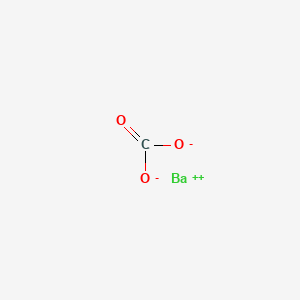
Barium carbonate (BaCO3) is a white, fine powder that is practically insoluble in water. However, it dissolves in stomach acid and other acids, which releases toxic barium ions, so, unlike inert Barium sulfate, it is toxic if swallowed.
In addition, ceramic producers use it in glazes, where it creates matte surfaces and improves color, and brick and tile producers add it to clay to prevent white sulfate scum on fired products. Similarly, glass producers use it in specialty and optical glasses, while magnet producers use it as the barium source for barium ferrite permanent magnets. It also serves as the starting material for other barium compounds, such as Barium chloride.
Because of its toxicity, Zyntex supplies barium carbonate only for professional industrial use. Related compounds in our range also include Strontium Titanate and Barium Metaborate.
Key Applications of Barium Carbonate
Typical uses include, for example:
🏺 Ceramics and Glazes
Matting agent as well as color modifier.
🧱 Bricks and Tiles
Additive against sulfate scum.
🧲 Ferrite Magnets
Barium source for barium ferrite.
🔬 Specialty Glass
Component of optical as well as specialty glasses.
Barium Carbonate Technical Specifications
| Parameter | Standard Value |
|---|---|
| Product Name | Barium Carbonate |
| CAS Number | 513-77-9 |
| Molecular Formula / Weight | BaCO3 / 197.34 g/mol |
| Assay / Purity | Min 99.0% |
| Appearance | White fine powder |
| Documents | CoA as well as SDS with every lot |
⚠️ Safety & Handling: Harmful if swallowed, because stomach acid dissolves it and releases toxic barium. For professional use only, so avoid dust formation and ingestion, and also wear gloves, eye protection and dust protection. Store in tightly closed containers away from acids and food. Always consult the Safety Data Sheet (SDS), because it contains the full classification and handling instructions.
Frequently Asked Questions
Why is barium carbonate toxic while barium sulfate is not?
Barium carbonate dissolves in stomach acid and releases barium ions, whereas barium sulfate remains insoluble even in acid.
Why is it added to bricks?
Because it reacts with soluble sulfates in clay, it prevents white sulfate scum on the surface of fired bricks and tiles.
How can I get a price and documents?
Prices depend on quantity, packaging and destination, so please contact us with your required volume. We then send a quotation together with the CoA and SDS.