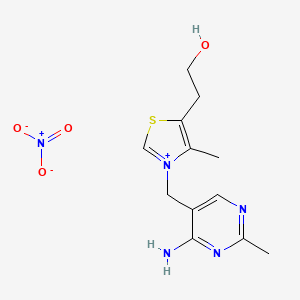
Thiamine Mononitrate (Vitamin B1)
Thiamine Mononitrate (vitamin B1, CAS 532-43-4), 98–101%, supplied wholesale by Zyntex. Stable, low-hygroscopic vitamin B1 for flour and cereal fortification, multivitamin tablets and feed premixes. CoA and SDS with every lot.
Description
Thiamine Mononitrate Product Overview
Thiamine mononitrate (C12H17N5O4S) is a white to almost white crystalline powder that is sparingly soluble in water. It also decomposes at about 248–250°C. Compared with Vitamin B1 Thiamine Hydrochloride, it absorbs much less moisture, which makes it more stable in dry products.
Food producers therefore prefer thiamine mononitrate for fortifying flour, breakfast cereals, pasta and infant cereals. Similarly, pharmaceutical companies and producers of nutritional products use it in multivitamin tablets and capsules, while feed producers add it to vitamin premixes. For liquid and injectable products, the more soluble hydrochloride usually finds use.
Furthermore, other B vitamins in our range include Nicotinamide (Vitamin B3), Riboflavin Vitamin B2 and D-Biotin (Vitamin B7).
Key Applications of Thiamine Mononitrate
Typical uses include, for example:
🍞 Flour Fortification
Stable vitamin B1 for flour as well as cereals.
💊 Multivitamins
API for tablets as well as capsules.
🐔 Animal Feed
Vitamin source in premixes.
🍼 Infant Cereals
Fortificant for baby foods.
Thiamine Mononitrate Technical Specifications
| Parameter | Standard Value |
|---|---|
| Product Name | Thiamine Mononitrate |
| CAS Number | 532-43-4 |
| Molecular Formula / Weight | C12H17N5O4S / 327.36 g/mol |
| Assay / Purity (HPLC) | 98.0% – 101.0% (On Anhydrous Basis) |
| Appearance | White to almost white crystalline powder |
| Heavy Metals (as Pb) | ≤ 10 ppm |
| Documents | CoA as well as SDS with every lot |
⚠️ Safety & Handling: Not classified as hazardous under GHS. Avoid dust formation and contact with eyes. Store in tightly closed, light-resistant containers in a cool, dry place, so that the material stays in good condition. Always consult the Safety Data Sheet (SDS), because it contains the full classification and handling instructions.
Frequently Asked Questions
Why is thiamine mononitrate preferred for flour fortification?
Because it absorbs much less moisture than thiamine hydrochloride, it stays stable in dry foods such as flour and cereals.
When should thiamine hydrochloride be used instead?
For liquid and injectable products, because the hydrochloride dissolves much more easily in water.
How can I get a price and documents?
Prices depend on quantity, packaging and destination, so please contact us with your required volume. We then send a quotation together with the CoA and SDS.