Azithromycin
Pharmaceutical-grade Azithromycin (CAS 83905-01-5), 945–1030 µg/mg, supplied wholesale by Zyntex to licensed producers. Macrolide API for tablets, capsules, oral suspensions and infusions. CoA and SDS with every lot.
Description
Azithromycin Product Overview
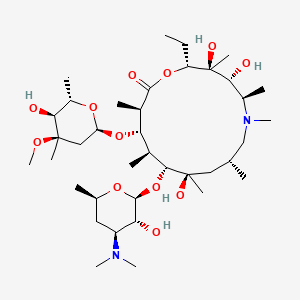
Azithromycin is a semi-synthetic, 15-membered macrolide (an azalide) derived from Erythromycin. It is a white or almost white crystalline powder that is practically insoluble in water and freely soluble in ethanol and methylene chloride. Its strength is expressed as potency, typically 945–1030 µg/mg.
Pharmaceutical companies use it in film-coated tablets, capsules, powders for oral suspension and intravenous infusions. Its long half-life allows short treatment courses, which made it one of the most widely used antibiotics. The dihydrate form, listed separately as Azithromycin 2-hydrate, is the most common form in oral products.
Related antibiotics in our range include Clarithromycin and the lincosamide Clindamycin Hydrochloride. Zyntex supplies it from qualified API producers, only to companies licensed for pharmaceutical use.
Key Applications of Azithromycin
Main application areas:
💊 Tablets and Capsules
API for oral solid dosage forms.
🥄 Oral Suspensions
API for powders for oral suspension.
💉 Infusions
API for intravenous formulations.
🔬 Generic Development
Development and reference material.
Azithromycin Technical Specifications
| Parameter | Standard Value |
|---|---|
| Product Name | Azithromycin |
| CAS Number | 83905-01-5 |
| Assay / Purity (HPLC) | 945 μg/mg to 1030 μg/mg (Anhydrous Basis) |
| Appearance | White or almost white crystalline powder |
| Specific Rotation | -45° to -49° |
| Solubility | Practically insoluble in water; freely soluble in anhydrous ethanol and methylene chloride |
| Documents | CoA and SDS with every lot |
⚠️ Safety & Handling: Pharmacologically active substance that may cause allergic reactions. Avoid inhalation of dust and contact with skin; wear gloves, eye protection and dust protection. Store in tightly closed containers in a cool, dry place. Always consult the Safety Data Sheet (SDS) for full classification and handling instructions.
Frequently Asked Questions
What is the difference between the anhydrous form and the dihydrate?
They differ in water content and crystal form, which affects processing and stability. The dihydrate is the most common form for oral products.
Who can purchase this API?
It is supplied only to pharmaceutical companies holding the licenses required for API purchase and use in their country.
How can I get a price and documents?
Prices depend on quantity, packaging and destination. Contact us with your required volume to receive a quotation together with the CoA and SDS.